You’re halfway through assembling a bookshelf when your cordless drill suddenly loses power—again. Or maybe you’re chiseling into concrete only to realize your standard drill can’t handle the job. With so many types of cordless drill options flooding hardware stores, choosing the wrong one wastes time, money, and energy. The market has exploded from simple battery-powered drills to specialized tools for every task, yet most buyers grab whatever’s on sale without understanding critical differences. This guide cuts through the confusion by breaking down exactly which types of cordless drill solve specific problems, what features actually matter for your projects, and how to avoid costly mismatches between tool and task.
Gone are the days when “cordless drill” meant one-size-fits-all. Advances in lithium-ion batteries and brushless motors have created distinct categories—each engineered for particular materials and applications. Whether you’re hanging drywall, building a deck, or repairing masonry, selecting the right types of cordless drill prevents stripped screws, broken bits, and project delays. We’ve tested dozens of models and analyzed real-world use cases to deliver a no-fluff comparison of all major categories. By the end, you’ll know precisely which drill type tackles your next project and why certain features make or break your experience.
7 Critical Cordless Drill Components You Must Recognize Before Buying
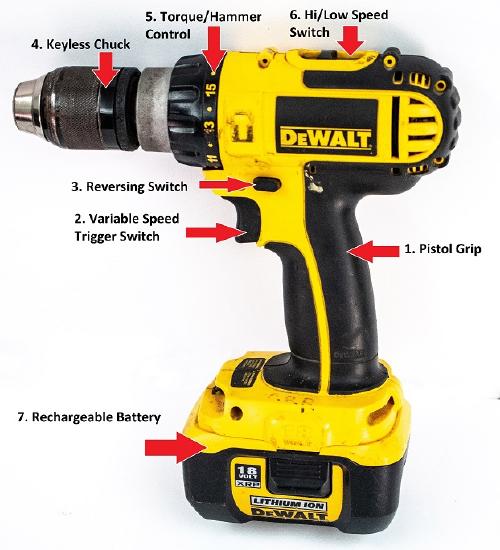
Identifying these parts ensures you select a drill that fits your hand and project needs. The chuck—that adjustable collar at the front—grips drill or driver bits. Modern keyless chucks tighten with one hand, eliminating fumbling for a chuck key mid-project. Behind it, the clutch (a numbered ring) controls torque to prevent over-tightening screws in delicate materials like drywall or cabinetry. Set it too high, and you’ll strip screw heads; too low, and the drill stalls on hardwood.
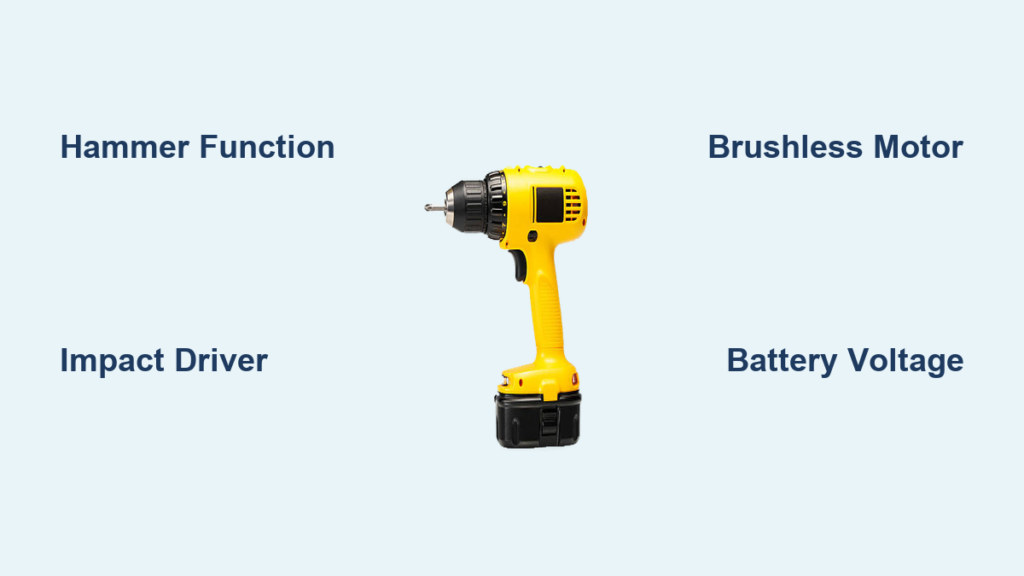
Your battery voltage (12V, 18V, 20V) directly impacts power for drilling through dense materials. Higher voltage isn’t always better—12V drills excel in tight spaces like cabinet interiors where bulkier models won’t fit. Meanwhile, amp-hour (Ah) ratings on the battery indicate runtime: a 4.0Ah battery lasts roughly twice as long as a 2.0Ah unit from the same brand. The brushless motor (standard in premium models) runs cooler and lasts 50% longer than brushed alternatives but adds $20-$50 to the price. Never ignore the hammer function switch—if you’ll drill concrete even occasionally, this chisel-like pounding action is non-negotiable.
How Chuck Size Affects Your Drilling Precision
A 1/2-inch chuck handles large spade bits for plumbing holes, while 3/8-inch chucks (common on compact drills) suffice for most screw-driving. Keyless chucks save time but may slip with aggressive bit pressure—opt for keyed chucks if you routinely use auger bits in hardwood. Always inspect the chuck for wobble; even slight movement ruins hole accuracy. For metalwork, ensure the chuck grips 1/16-inch pilot bits securely to prevent bit walking.
Why Clutch Settings Make or Break Finish Work
That numbered collar behind the chuck isn’t decorative. For driving cabinet screws into particleboard, set the clutch to 5-8 to avoid sinking screws too deep. When installing deck lag bolts, crank it to 15+. Test settings on scrap wood first—listen for the distinctive “clicking” sound when torque limits engage. Skipping this step risks stripping screw heads or damaging surfaces, especially with brittle materials like acrylic or thin plywood.
5 Types of Cordless Drills That Solve Specific Project Nightmares

Each category tackles unique challenges—confusing them leads to frustration and damaged materials. Cordless drill/drivers are your everyday heroes for drilling pilot holes and driving screws in wood, plastic, or light metal. They feature a chuck for standard bits but lack the rotational force for long lag bolts. If you’re assembling furniture or hanging shelves, this is your go-to tool. Avoid using it for concrete—it will overheat and burn out the motor within minutes.
When Should You Switch to an Impact Driver?
Impact drivers conquer high-torque tasks that stall drill/drivers. Their anvil mechanism delivers 3,000+ rotational “impacts” per minute—like a built-in hammer—making them ideal for driving 3-inch deck screws or 1/2-inch lag bolts. Notice the hex collet instead of a chuck? It only accepts 1/4-inch hex-shank bits, so you can’t drill pilot holes with this tool. Pair it with a drill/driver: use the drill for precise pilot holes, then the impact driver for fastening. Attempting masonry work with an impact driver shatters bits—reserve it for wood and metal fastening.
Hammer Drills: The Only Solution for Concrete and Brick
That rhythmic “thumping” vibration you feel? It’s the hammer mechanism pounding forward while rotating—essential for masonry work. A standard drill/driver will overheat trying to penetrate concrete, but a hammer drill’s chisel-like action pulverizes material with minimal effort. Always engage the hammer function (a separate switch) only when drilling stone or brick; using it on wood splits lumber. For deep holes in concrete, pause every inch to clear dust—overheating cracks drill bits instantly.
Voltage, Runtime & Motor Specs That Actually Impact Your Projects
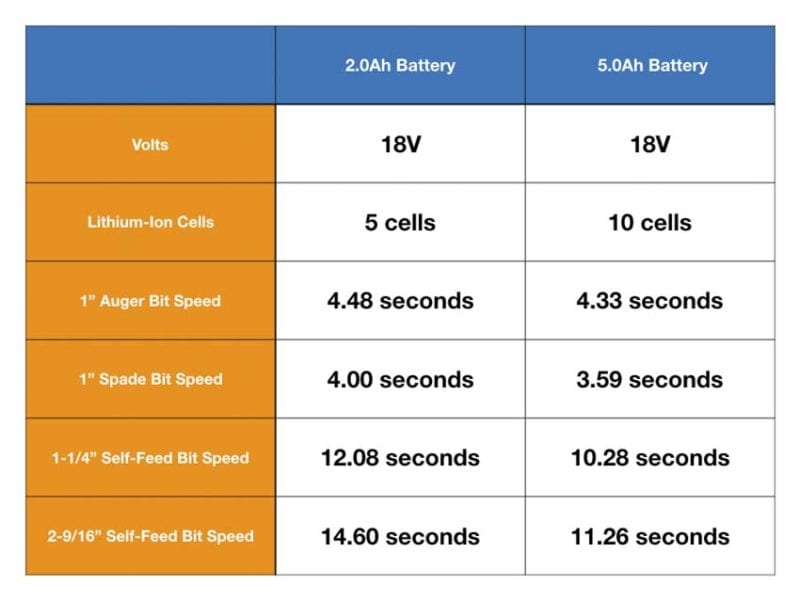
Don’t fall for marketing hype—focus on these measurable specs. Voltage (12V, 18V/20V, 40V+) determines raw power. 12V drills weigh under 2.5 lbs for overhead work like installing ceiling fans but struggle with 1/2-inch auger bits. 18V/20V models (the industry standard) handle 95% of DIY and pro tasks. Skip 40V+ unless you’re drilling 2-inch holes in pressure-treated lumber daily—the extra weight strains your wrist during extended use.
Battery Platform Loyalty Saves You Hundreds
Brands like DeWalt (20V MAX), Milwaukee (M18), and Ryobi (18V ONE+) lock you into their battery ecosystems. Buying a DeWalt drill means future tools (saws, sanders) use the same batteries. Ryobi’s 175+ tool ecosystem offers the best DIY value, while Milwaukee M18 Fuel dominates construction sites for durability. Never buy a “tool-only” kit if you lack batteries—combo packs save 20% over separate purchases. Test battery swaps in-store; some brands’ chargers take 30+ minutes versus 15 for premium models.
Brushless Motors: Worth Every Extra Dollar?
Brushless drills adjust power output based on resistance, extending runtime by 30% and eliminating carbon brush replacements. For occasional DIYers, brushed models suffice. But if you drill daily, brushless pays for itself in 6 months through longer battery life and reduced downtime. Check for “Fuel,” “XR,” or “Brushless” in the model name—these denote the upgraded motors.
Top 5 Cordless Drills of 2024: Matched to Real Project Demands
Best All-Around Drill for Homeowners: DeWalt DCD800 20V MAX XR
This 20V hammer drill tackles wood, metal, AND concrete with its 3-speed transmission. The compact design (6.4 inches front-to-back) fits inside cabinets for blind-hole drilling. Its 1/2-inch chuck handles spade bits up to 1-1/2 inches, while the 200-unit clutch offers surgical precision for finish carpentry. At 3.4 lbs (with battery), it won’t fatigue your arm during weekend projects. Skip it only if you exclusively work in tight spaces—then choose the sub-compact version.
Best for Heavy-Duty Construction: Milwaukee 2902-22 M18 Fuel
Contractors swear by this drill’s 1,200 in-lbs of torque for driving 6-inch lag bolts into beams. The REDLINK PLUS intelligence prevents stalling when hitting knotty wood, and the fuel gauge shows exact runtime minutes (not just bars). Weighing 4.6 lbs with a 5.0Ah battery, it’s heavy for overhead work but indispensable for deck building. The hammer function drills 3/4-inch holes in concrete in under 30 seconds—no pre-chiseling needed.
Most Budget-Friendly Starter Kit: Ryobi P208 18V ONE+ HP
Ryobi’s high-torque (HP) line punches above its weight class. This kit includes two 4.0Ah batteries and a rapid charger for less than $130. The brushless motor delivers 550 in-lbs of torque—enough for framing—and the 1/4-inch hex adapter lets you use impact driver bits. Perfect for assembling furniture or installing shelving. Downsides? The 3/8-inch chuck limits bit size, and the hammer function lacks concrete-penetrating power. Ideal for renters and light DIYers.
Best Compact Drill for Tight Spaces: DeWalt DCD703 12V MAX
At 2.8 lbs and 5.5 inches long, this sub-compact slips into sink cabinets for plumbing repairs or between rafters for electrical work. Don’t underestimate its 380 in-lbs of torque—it drives 3-inch screws in hardwood. The trade-off? Smaller batteries (1.3-2.0Ah) need frequent swapping for big jobs. Keep it charged in your work truck for emergency fixes. Never use it for concrete or masonry—it lacks hammer action.
Best Value Combo Kit: Makita XPH07T1 18V LXT
This bundle pairs Makita’s top-rated drill/driver with an impact driver—the dynamic duo for any serious DIYer. The drill’s 1/2-inch hammer function pulverizes brick, while the impact driver’s 1,550 in-lbs torque installs deck hardware effortlessly. Makita’s ergonomic grip reduces vibration by 30% versus competitors. At $249 for both tools plus two 5.0Ah batteries, it’s cheaper than buying separately. Skip if you already own Makita batteries—then buy tools à la carte.
Must-Have Accessories and Safety Gear You Can’t Skip
Twist drill bits in 1/16-inch to 1/2-inch sizes handle 80% of wood and metal tasks. For large holes (1-inch+), spade bits prevent binding but require slow speeds to avoid splintering. Masonry bits with carbide tips are mandatory for concrete—standard bits shatter on first impact. Always pair them with a hammer drill. Clamps secure workpieces; trying to hold materials while drilling causes slips and injuries. Never skip ANSI Z87.1 safety glasses—a single metal shaving can cause permanent eye damage. For overhead work, add a hard hat with face shield.
Avoid These 3 Costly Cordless Drill Mistakes
- Using the wrong bit type: Standard twist bits wander on metal—switch to black oxide or cobalt bits for clean holes.
- Ignoring clutch settings: Driving deck screws at max torque splits wood—start at setting 10 and increase as needed.
- Overheating batteries: Never store drills in hot cars—lithium-ion cells degrade above 120°F. Cool batteries for 10 minutes after heavy use.
Your perfect types of cordless drill match depends entirely on your most frequent projects. For occasional furniture assembly, a 12V drill/driver suffices. Building decks? Get a 20V hammer drill AND impact driver combo. Tackling concrete repairs? A dedicated hammer drill is non-negotiable. Prioritize brushless motors and reputable battery ecosystems—they pay dividends in longevity. Before your next purchase, revisit this guide: identify your toughest project, match it to the right drill type, and never wrestle with an underpowered tool again. The right types of cordless drill doesn’t just finish jobs—it makes you wonder how you ever worked without it.