Water backing up in your kitchen sink during dinner prep or a shower drain flooding your bathroom floor isn’t just annoying—it halts your entire household routine. Before you waste money on chemical cleaners that rarely work or call a plumber for what’s often a simple fix, grab a drain auger. This $20 hand tool clears 90% of household clogs without damaging pipes. In this guide, you’ll learn exactly how to use an auger to unclog a drain in sinks, tubs, and toilets—plus critical safety steps most DIYers skip. Within 20 minutes, you’ll transform from frustrated homeowner to drain-saving hero.
Essential Gear and Safety Prep You Can’t Skip
Grab Your Non-Negotiable Safety Kit First
Skip the gloves and goggles? You’ll regret it when hair, grease, or raw sewage splashes back. Before touching your drain, assemble: waterproof gloves, safety glasses, old towels, a 5-gallon bucket, and a wet/dry vacuum for emergencies. For sink clogs, find a rag to plug the overflow hole (that small opening near your basin’s rim)—this seals the system so your auger builds pressure instead of spraying gunk everywhere. Never use chemical drain cleaners beforehand; the auger could force corrosive liquid into your eyes.
Positioning for Zero-Mess Success
Clear everything from under the sink—tools, cleaners, stored items. Lay towels in a 3-foot radius around the drain and place your bucket directly beneath the P-trap. If tackling a toilet clog, stuff several dry towels into the bowl’s base to absorb splashes (remove them before flushing later). This prep prevents a 10-minute job from becoming a flooded-floor disaster. Pro tip: Wrap your smartphone in a plastic bag and set it nearby—your plumber’s number should be one tap away if things go sideways.
How to Feed and Crank an Auger Like a Pro
Step 1: Insert the Cable Without Damaging Pipes
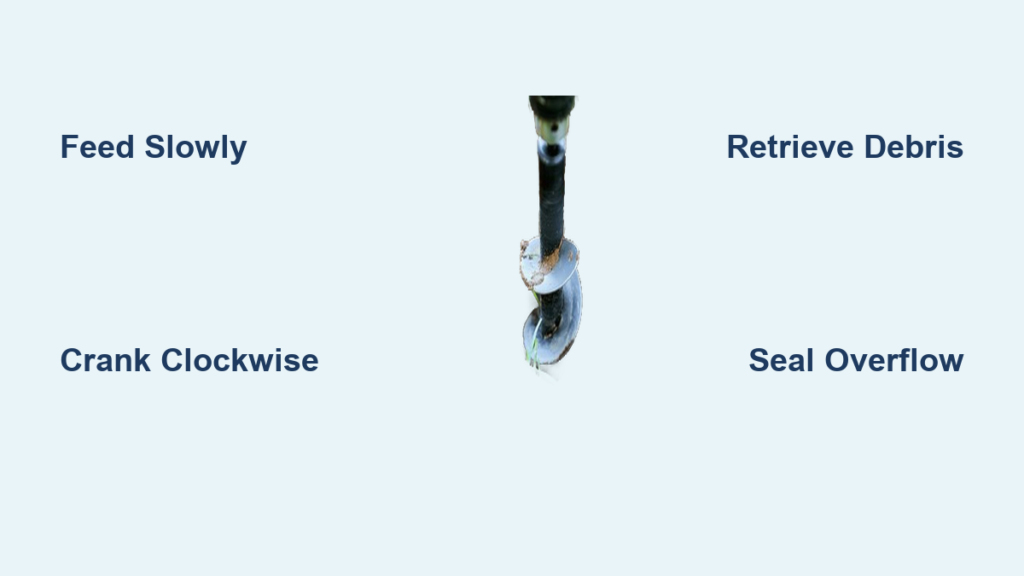
For sink or tub drains, remove the stopper or strainer first. Position the auger’s tip at the drain edge—not forced straight down. Slowly feed 6 inches of cable while rotating the handle clockwise. You’re guiding, not shoving. If you hit immediate resistance, you’ve likely hit the P-trap bend—this is normal. For toilets, use a closet auger (with its protective rubber boot) and insert only until the boot seals the bowl. Never jam a standard sink auger into a toilet—it’ll scratch porcelain.
Step 2: Break Through the Clog With Smart Cranking
Advance the cable 1-2 feet at a time while cranking clockwise. When resistance hits (that “thud” feeling), stop pushing. Now rotate the handle back-and-forth 3-4 times while applying gentle forward pressure. This action lets the auger’s corkscrew tip grab and shred hair or grease. For stubborn clogs, combine cranking with a slight “jiggle” of the cable itself—think of it like fishing line reeling in debris. If you force it, the cable kinks and gets stuck.
Step 3: Retrieve Debris Without Making a Mess
Once the cable slides freely, you’ve cleared the clog—but don’t yank it out yet. Crank clockwise while slowly retracting the cable. This winds debris onto the cable instead of dropping it back into the pipe. When the tip emerges, immediately wipe it with a towel (wear gloves!). For hair clogs, expect a slimy “snake” of gunk—drop it straight into a plastic bag. Finally, flush with hot tap water for 2 full minutes to wash residual gunk downstream.
Fixing Stubborn Clogs: Tactics That Actually Work

Why Your Auger Won’t Advance Past the Trap
If the cable stops at the first bend (common in sink P-traps), don’t muscle it through. Pull back 8 inches, crank 5 times to reposition the tip, then advance at a 45-degree angle. PVC pipes have smoother bends than old cast iron—go slower with vintage plumbing. For tub drains with deep overflows, feed the cable through the overflow hole first to bypass the strainer mechanism. If resistance feels solid (not spongy), you likely hit a pipe joint—not a clog—stop immediately.
Emergency Fix for a Stuck Auger Cable
If the cable jams mid-pipe:
1. Never yank or twist violently—this snaps cables.
2. Rotate the handle counter-clockwise while applying light backward tension.
3. If stuck, pour ½ cup of penetrating oil (like WD-40) down the drain around the cable. Wait 10 minutes.
4. Gently twist and pull while rotating.
If still stuck, call a plumber—forcing it risks pipe damage. Prevention tip: Always feed cables slowly through bends and avoid over-rotating (max 2 full turns per foot advanced).
Drain-Specific Tactics for Hair, Grease, and More
Sink & Tub Hair Clogs (The 90% Fix)
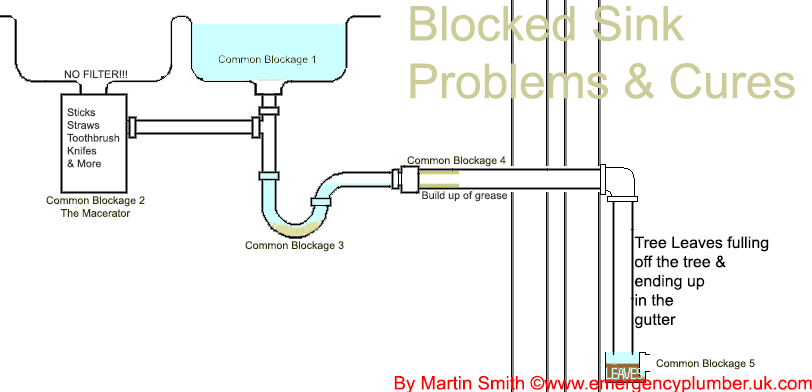
Kitchen sinks rarely get hair clogs—but showers and bathtubs do. Use a 25-foot hand auger with a barbed tip. After snaking, plunge vigorously: the suction pulls loosened hair out of the overflow pipe. Install a hair catcher ($3 at hardware stores) to prevent repeats. For deep tub clogs, remove the overflow plate first—this gives direct pipe access and avoids 90-degree bends.
Grease Clogs That Won’t Budge
Kitchen sink grease builds like concrete. Skip boiling water (it re-solidifies downstream). Instead:
– Snake until resistance breaks
– Pour 4 cups of near-boiling water (not boiling!) down the drain
– Follow with ½ cup baking soda + 1 cup vinegar
– Wait 15 minutes, then flush with hot water
Use a drum auger for main line grease—rent one if clogs recur monthly.
Toilet Clogs: Avoid the “Splash Zone”
Toilets need a closet auger (shorter, stiffer cable + rubber boot). Insert only until the boot seals the bowl—no cranking yet. Push gently while rotating to navigate the trap curve. If water rises while cranking, STOP and bail out the bowl first. Never use a sink auger—it’ll scratch porcelain and leak. Skip chemical cleaners; they rarely dissolve toilet paper masses and can burn skin during snaking.
When to Hang Up the Auger and Call a Plumber

Stop immediately if:
– You’ve fed a 25-foot auger fully with zero progress (indicates main line blockage)
– Multiple fixtures back up simultaneously (tree roots or collapsed pipe)
– The auger cable bends or kinks repeatedly at the same spot (pipe separation)
– You smell sewer gas after clearing (cracked pipe)
These require a camera inspection ($150 avg) or hydro-jetting. Calling pros early prevents $5,000 foundation repairs from sewage leaks.
Post-Clearing Checks That Prevent Tomorrow’s Disaster
Flush Like a Pro
After snaking, run hot water for 2 minutes—not a quick trickle. This tests flow and washes micro-debris. Place a bucket under the sink to catch leaks from dislodged gunk in the P-trap. If water drains slowly still, repeat the auger process—you likely only punched a hole through the clog, not removed it.
Sanitize Your Tools and Hands
Rinse the auger cable with a bleach solution (1:10 ratio) for 5 minutes, then dry thoroughly. Wash gloves with soap and hot water before removing them. This kills bacteria like E. coli lurking on tools. Store your auger coiled loosely—never kinked—to prevent cable damage.
Prevent Repeat Clogs in 60 Seconds
After every shower, pour 1 cup of hot water down the drain to prevent hair/gel buildup. In kitchens, avoid dumping grease—use a can to collect it. Install mesh strainers in all sinks. Every 3 months, snake drains preventively for 30 seconds even if flowing well—this stops minor buildup from becoming major clogs.
Clearing a clogged drain with an auger isn’t about brute force—it’s smart technique. By feeding cables slowly, cranking clockwise, and retrieving debris properly, you’ll solve 95% of household clogs in under 20 minutes. Remember: safety gear is non-negotiable, overflow holes must be sealed, and patience beats power every time. Keep your auger under the sink, and you’ll save hundreds yearly on plumber calls. Next time water starts rising, you won’t panic—you’ll grab your auger and clear that drain like a pro. Your drains (and wallet) will thank you.