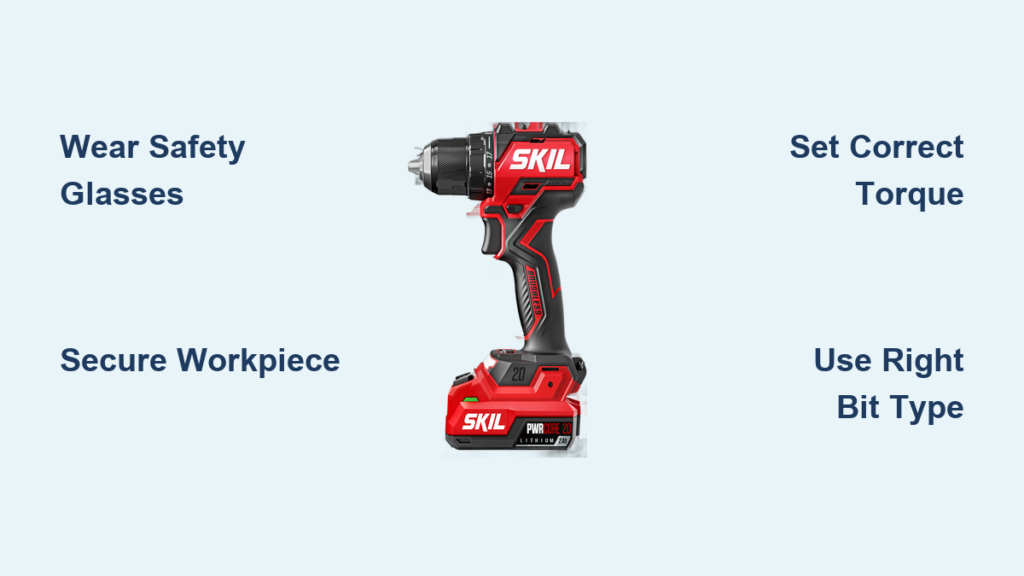
That frustrating moment when your drill bit wanders off course, your screw strips, or your drill suddenly stops working mid-project—every DIYer has been there. The good news? Properly learning how to use a Skil drill transforms this essential tool from a source of frustration into your most reliable workshop companion. With decades of innovation since inventing the world’s first portable circular saw in 1924, Skil has engineered drills that balance power, precision, and user-friendliness for both beginners and professionals. In this guide, you’ll discover everything from basic operation to advanced techniques that will help you tackle any project with confidence and safety.
Whether you’re hanging shelves, building furniture, or tackling home repairs, understanding your Skil drill’s capabilities prevents costly mistakes and saves valuable time. Most users only scratch the surface of what their drill can do, missing out on features that make drilling cleaner, faster, and safer. By the end of this guide, you’ll know exactly how to use a Skil drill for any material, avoid common pitfalls, and maintain your tool for years of reliable service. Let’s transform your drilling experience from guesswork to precision craftsmanship.
Essential Safety Gear and Workspace Setup Before First Use
Your safety determines whether your project ends with satisfaction or a trip to the emergency room. Before you even insert a battery, proper preparation creates a foundation for successful drilling.
Critical Personal Protective Equipment Checklist
– Always wear ANSI Z87.1 certified safety glasses—regular sunglasses won’t stop flying debris from causing permanent eye damage. For masonry work, add a face shield to protect against concrete dust.
– Use hearing protection when drilling for more than 15 minutes continuously—most Skil drills exceed 85 dB, risking hearing damage over time.
– Wear a dust mask when drilling concrete, brick, or pressure-treated wood to avoid inhaling harmful silica or chemicals.
– Remove gloves while operating the drill to prevent entanglement, but keep them handy for handling materials and debris.
– Secure loose clothing, tie back long hair, and remove jewelry that could catch in moving parts.
Workspace Safety Essentials You Can’t Skip
- Clamp your workpiece firmly—never hold materials by hand while drilling. A single slip can cause serious injury or ruin your project.
- Ensure proper lighting so you can clearly see your drilling point and bit alignment.
- Clear tripping hazards around your workspace—cords, tools, and materials should be organized and out of your path.
- Keep bystanders at least 6 feet away—drill bits can shatter and send sharp fragments flying.
Skil Drill Components Decoded: What Each Part Actually Does

Knowing your tool’s anatomy prevents confusion and helps you select the right settings for each task. These components work together to give you precise control.
Chuck and Bit Installation: Getting It Right
- Keyless chucks tighten by hand—turn clockwise to secure bits, counterclockwise to release. If your chuck requires a key, insert it into each hole and turn clockwise until snug (never use pliers to tighten).
- Insert bits at least ¾ inch deep into the chuck—shallow insertion causes wobble and inaccurate holes.
- Center the bit precisely—off-center bits create oval holes and stress the chuck mechanism.
Torque Control Settings Explained
- The numbered collar behind the chuck (usually 1-20) controls torque for driving screws. Lower numbers (1-5) for small screws in delicate materials, higher numbers (15-20) for large lag bolts in hardwood.
- The drill symbol position bypasses the clutch for continuous rotation when drilling holes.
- Gear switch positions: Gear 1 (low speed, high torque) for driving large screws or drilling big holes; Gear 2 (high speed, lower torque) for standard drilling and small fasteners.
First-Time Drilling: Step-by-Step Operation Guide
Follow these steps precisely for clean, accurate holes every time—whether you’re a beginner or refreshing your skills.
Inserting and Securing Your First Drill Bit
- Hold the chuck and turn it counterclockwise to open the jaws (for keyless chucks).
- Insert your bit with at least ¾ inch of shank inside, ensuring it’s straight and centered.
- Tighten the chuck by hand until snug, then give it one final firm turn—over-tightening can damage the chuck.
Setting Up for Your First Hole
- Mark your drilling point with a pencil, then use a center punch for metal or hard materials to prevent bit wandering.
- Select the correct speed: High speed (Gear 2) for wood and plastic, low speed (Gear 1) for metal and masonry.
- Set the torque collar to the drill symbol when making holes, or adjust to the appropriate number for driving screws.
Executing a Perfect Hole in 4 Steps
- Position the drill perpendicular to your work surface, holding it with both hands for stability.
- Start at low speed to create a small guide hole—this prevents bit walking and ensures accuracy.
- Once the bit bites into the material, increase speed while applying steady, moderate pressure (never force it).
- For deep holes, periodically withdraw the bit to clear chips—this prevents binding and overheating.
Drill Bit Selection Guide: Match Bits to Materials Like a Pro

Using the wrong bit ruins materials, dulls bits prematurely, and creates dangerous situations. This guide ensures you select correctly every time.
Wood Drilling Made Simple
- Softwoods (pine, cedar): Standard twist bits at medium-high speed (1500-3000 RPM)
- Hardwoods (oak, maple): Brad point or Forstner bits at lower speed (800-1500 RPM) with occasional wax on the bit to reduce friction
- Plywood/MDF: Sharp bits with masking tape over the drilling point to prevent tear-out
| Material | Best Bit Type | Speed Setting | Pro Tip |
|---|---|---|---|
| Metal | HSS or cobalt bits | Low-Medium (500-2000 RPM) | Apply cutting oil and use a center punch to start |
| Masonry | Carbide-tipped bits | Low with hammer function | Start in standard mode to create a guide hole first |
| Tile/Glass | Diamond-tipped bits | Very low (200-500 RPM) | Use water cooling and apply light, steady pressure |
Changing Bits Safely and Efficiently
- Set the drill to neutral position (no forward/reverse selected)
- Open the chuck by turning counterclockwise—use the chuck key if needed
- Remove the old bit completely before inserting a new one
- Insert the new bit straight and deep, then tighten securely
- Pro tip: Keep a small container nearby for used bits to prevent losing them
Troubleshooting Common Skil Drill Problems in 5 Minutes
Most drill issues have simple solutions that save you from unnecessary repairs or replacements.
Drill Won’t Start? Check These 3 Things First
– Battery status: Is it fully charged? Lithium-ion batteries show a green light when charged. Try a different battery if available.
– Chuck security: An improperly tightened chuck prevents operation—reinsert and secure the bit.
– Trigger lock: Many Skil drills have a side lock button—press it to unlock the trigger.
Drill Overheating: Immediate Solutions
- Stop immediately and let the drill cool for 15-30 minutes—forcing continued use can burn out the motor.
- Clean air vents with a soft brush—dust buildup is the #1 cause of overheating.
- Use sharp bits—dull bits make the motor work harder, generating excess heat.
- Pro tip: For extended use, work in 10-minute intervals with 2-minute cooling breaks.
Advanced Techniques for Challenging Materials
Move beyond basic drilling with these specialized methods that handle difficult materials with professional results.
Drilling Metal Without Breaking Bits
- Start with a small pilot hole using a center punch to guide the bit
- Apply cutting oil or WD-40 to the drilling point—this lubricates and reduces heat
- Drill at consistent, moderate pressure—never stop rotating while the bit is in the material
- Withdraw periodically to clear metal chips that can cause binding
Masonry Drilling That Doesn’t Destroy Your Bit
- Always use the hammer function (look for the hammer icon) when drilling concrete or brick
- Start in standard drill mode to create a precise guide hole before engaging hammer action
- Keep the bit cool by spraying water occasionally—dry drilling overheats carbide tips
- Apply firm, steady pressure—let the hammer action do the work rather than forcing the drill
Essential Maintenance for Long Drill Life
A well-maintained Skil drill lasts decades—neglect turns it into scrap metal within years.
Daily Maintenance Routine
- Wipe the drill body with a dry cloth to remove dust and debris
- Check air vents for blockages—use a soft brush to clean them
- Inspect the chuck for smooth operation and proper tightening
Battery Care That Extends Lifespan
- Never store batteries fully charged—for long-term storage, maintain 40-60% charge
- Charge at room temperature—extreme cold or heat damages lithium-ion cells
- Remove batteries when not in use for extended periods to prevent slow discharge
- Clean battery contacts monthly with a dry cloth to ensure good connection
Pro Tips for Flawless Drilling Every Time
These professional techniques transform your results from amateur to expert-level quality.
- Prevent wood splintering by placing scrap wood behind your workpiece—this supports the back side and prevents tear-out.
- Create perfect depth control by wrapping tape around your bit at the desired depth—this visual marker ensures consistent holes.
- Clear drilling chips every ½ inch in deep holes to prevent binding and overheating.
- Use the right hand position—grip the handle firmly with your dominant hand, and brace the front of the drill with your other hand for stability.
Mastering how to use a Skil drill properly unlocks its full potential as your most versatile workshop tool. By following these techniques and safety practices, you’ll complete projects faster, with cleaner results and greater confidence. Remember that the key to professional results isn’t expensive tools—it’s understanding how to use what you have to its maximum capability. Start practicing these methods on scrap materials before your next project, and you’ll soon wonder how you ever managed without this knowledge. Your Skil drill, when used correctly, will become the reliable workhorse that makes DIY projects enjoyable rather than frustrating.