Your drill batteries shouldn’t die on the shelf before they die in the field. Improper storage causes more premature battery failures than heavy usage—many power tool owners unknowingly cut their battery lifespan in half by making simple storage mistakes. This guide reveals the exact protocol professional contractors use to store drill batteries for 3+ years without degradation. You’ll learn how to prepare, monitor, and reactivate batteries regardless of chemistry type, with specific instructions for Milwaukee, DeWalt, and other major brands.
Why Storing Drill Batteries at 40-50% Charge Prevents Permanent Damage
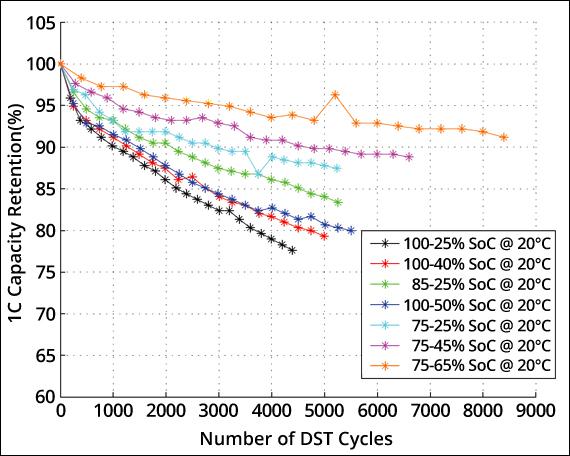
Storing drill batteries fully charged or completely dead triggers chemical reactions that permanently reduce capacity. Lithium-ion batteries degrade twice as fast for every 15°F (8°C) above 77°F (25°C), but the charge level matters just as much as temperature. When you store lithium-ion drill batteries at 100% charge, the high voltage stresses the cathode material, causing electrolyte breakdown and lithium plating. At 0% charge, copper current collectors dissolve into the electrolyte, creating internal shorts when you eventually recharge.
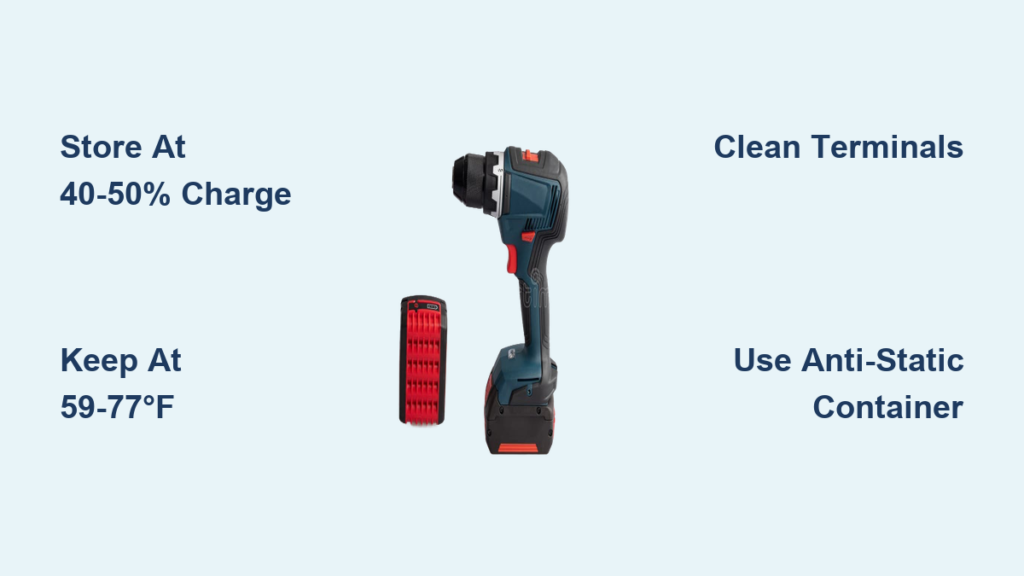
Your drill battery’s storage charge sweet spot is 40-50% State of Charge (SOC)—this minimizes internal stress while preventing deep discharge damage. For an 18V (20V max) drill battery, this equals 15-16 volts on a multimeter; for 12V batteries, aim for 12.5-13.5 volts. Never store drill batteries at extremes: fully charged units lose 20% capacity in just 3 months at room temperature, while fully depleted batteries can suffer irreversible damage within weeks.
How to Measure Your Drill Battery’s Exact Storage Charge
You don’t need expensive equipment to verify your drill battery’s storage readiness. Most modern batteries feature built-in fuel gauges showing 1-5 LED indicators—for storage, target 2-3 bars which typically represents 40-50% SOC. If your battery lacks indicators, use these voltage benchmarks:
- 18V (20V max) lithium-ion: 15-16V
- 12V lithium-ion: 12.5-13.5V
- 14.4V NiCd: Fully discharged (0V)
- 18V NiMH: 14-15V
Pro Tip: Milwaukee M18 batteries with RedLink Plus technology display exact voltage when pressing the fuel gauge button 5 times rapidly—watch for the flashing pattern indicating 30-50% SOC.
The Exact Temperature Range That Prevents Drill Battery Degradation
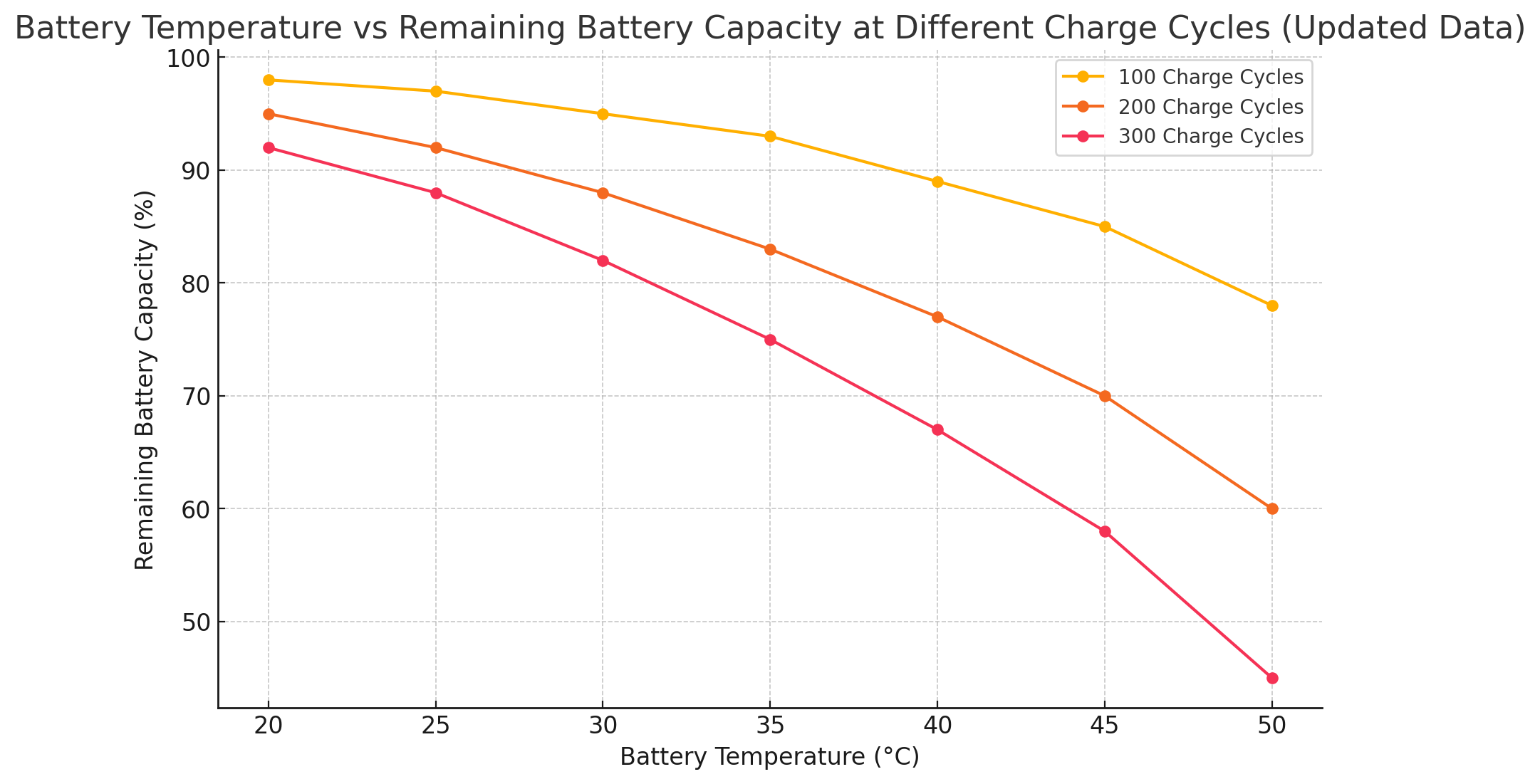
Temperature control isn’t just important for drill battery storage—it’s the single most critical factor determining longevity. Store drill batteries between 59°F and 77°F (15°C to 25°C) to minimize chemical degradation. Exceeding this range accelerates capacity loss exponentially: a battery stored at 95°F (35°C) degrades twice as fast as one at 77°F (25°C), while freezing temperatures below 32°F (0°C) cause irreversible electrolyte crystallization.
Where NOT to Store Your Drill Batteries (And Better Alternatives)
Many contractors make the fatal mistake of storing drill batteries in garages, sheds, or vehicle trunks—environments that experience extreme temperature swings. During summer, an unventilated garage can reach 120°F (49°C), halving your battery’s lifespan in just 3 months. Instead, choose these climate-stable locations:
- Best: Interior closet with consistent temperature
- Good: Climate-controlled basement away from concrete walls
- Acceptable: Upper kitchen cabinet (away from oven heat)
Critical Warning: Never store drill batteries near heat sources like water heaters, furnaces, or direct sunlight. Even brief exposure to temperatures above 113°F (45°C) can trigger thermal runaway in damaged cells.
How to Prepare Drill Batteries for Storage in 3 Critical Steps
Skipping proper preparation turns routine storage into a battery killer. Follow this exact protocol whether storing drill batteries for 2 weeks or 2 years.
Step 1: Achieve the Perfect Storage Charge Level
For lithium-ion drill batteries (95% of modern tools), discharge to 40-50% SOC before storage. Use your drill on a low-torque task until the fuel gauge shows 2-3 bars, or use a smart charger with storage mode. For Milwaukee batteries, charge until the third LED blinks steadily. NiCd batteries require full discharge—run your drill until it stalls—while NiMH batteries need 40-50% SOC like lithium-ion.
Step 2: Clean and Protect Battery Terminals
Corroded terminals cause voltage drops and storage discharge issues. Wipe contacts with 90%+ isopropyl alcohol using a cotton swab, then apply dielectric grease to prevent future corrosion. Pay special attention to the small communication pins on Milwaukee and DeWalt batteries—these must stay clean for proper BMS function during storage.
Step 3: Choose the Right Storage Container
Never store drill batteries loose in drawers or metal toolboxes—this risks short circuits from contact with keys, nails, or other metal objects. Instead:
* Use original plastic cases whenever possible
* Place in anti-static bags with silica gel desiccant packs
* For multiple batteries, store upright in compartmentalized cases like Milwaukee Packout
Safety Note: Add a fire-resistant Lipo bag inside your storage container—this contains thermal events while allowing ventilation.
What Happens When You Store Drill Batteries Fully Charged (And How to Fix It)
Storing drill batteries at 100% charge is the #1 storage mistake professionals see. Full charge creates high internal pressure in lithium-ion cells, accelerating SEI (solid electrolyte interface) layer growth that permanently reduces capacity. After 1 year at 100% charge and 77°F (25°C), your drill battery loses 20% capacity versus just 4% when stored at 40% SOC.
How to Recover an Overcharged Drill Battery
If you accidentally stored drill batteries fully charged, act within 30 days to minimize damage:
1. Immediately discharge to 40-50% SOC using your drill
2. Check for swelling—discard if the battery casing is deformed
3. Store properly at 40-50% SOC moving forward
Critical Warning: If the battery shows reduced runtime after recovery, capacity loss is likely permanent—the cells have already sustained chemical damage.
Step-by-Step: Checking Stored Drill Batteries Every 3 Months
Long-term storage requires active monitoring—drill batteries left unchecked for 6+ months often reach damaging discharge levels. Set calendar reminders to perform these checks:
Monthly Inspection Routine
- Visual check: Look for swelling, leaks, or corrosion—discard immediately if swelling occurs
- Voltage measurement: Use a multimeter to verify 3.7-3.8V per cell (15-16V for 18V packs)
- Environment check: Confirm storage area stays between 59-77°F (15-25°C)
Quarterly Maintenance Procedure
When voltage drops below 30% SOC (14V for 18V batteries):
1. Remove from storage and let acclimate to room temperature for 2 hours
2. Slow-charge using standard (not rapid) charger to 50% SOC
3. Re-measure voltage before returning to storage
Pro Tip: Label each drill battery with storage date and initial voltage using masking tape—this creates a degradation timeline to catch failing units early.
Milwaukee vs. DeWalt Drill Battery Storage: Key Differences You Must Know
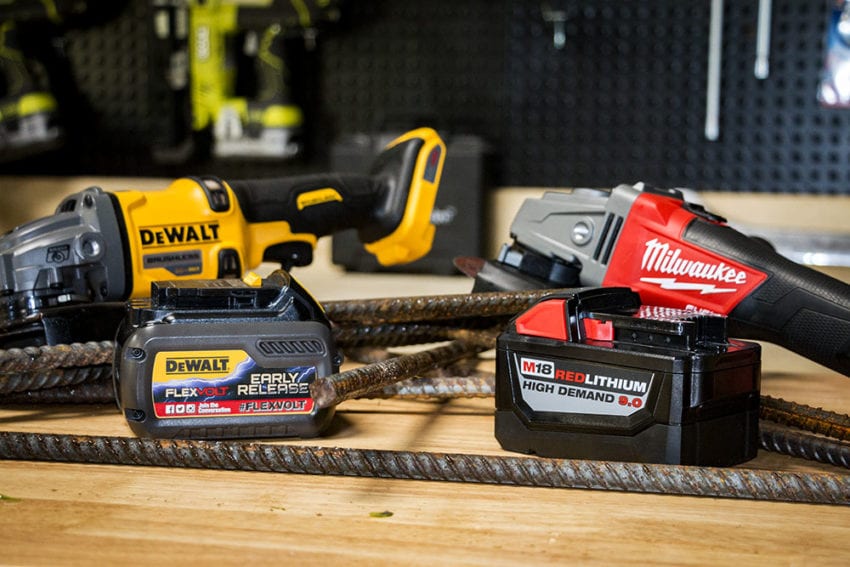
While all lithium-ion drill batteries share similar storage requirements, brand-specific nuances matter. Milwaukee M18 RedLithium batteries feature advanced BMS that tolerates slightly wider temperature ranges (40-77°F/4-25°C) versus DeWalt’s narrower 50-77°F (10-25°C) recommendation. Both brands suffer accelerated degradation above 95°F (35°C), but Milwaukee’s chemistry handles deeper discharges better during storage.
Brand-Specific Storage Protocols
Milwaukee Drill Batteries:
* Target 2-3 LED indicators (40-50% SOC)
* Use “Health Mode” on M12/M18 chargers for automatic storage prep
* Store upright to maintain cell alignment in high-capacity packs
DeWalt Drill Batteries:
* Aim for 50% SOC (3 bars on 20V fuel gauge)
* Avoid storing in FlexVolt 60V platform batteries above 77°F (25°C)
* Remove from tool storage cradles that maintain trickle charge
Universal Rule: Always follow your specific battery’s manufacturer guidelines over general advice—newer models with advanced BMS may have different requirements.
How to Reactivate Drill Batteries After Long-Term Storage
Pulling a dormant drill battery off the shelf only to find it dead is preventable with proper reactivation. Never fast-charge a long-stored battery—this risks thermal events in weakened cells. Instead:
- Allow 24 hours for temperature acclimation if stored in cool environments
- Inspect for physical damage—discard if swelling, leaks, or corrosion present
- Perform slow initial charge at C/10 rate (10% of capacity per hour)
- Complete full discharge/charge cycle to recalibrate the BMS
If your drill battery won’t accept a charge after storage, try trickle charging at 0.05C rate for 24 hours—this sometimes recovers batteries that dropped below safe voltage thresholds. If still unresponsive after 48 hours, the battery has likely sustained permanent damage.
The Drill Battery Storage Checklist That Prevents 95% of Failures
Follow this verified protocol before storing any drill battery:
- [ ] Discharge lithium-ion batteries to 40-50% SOC (2-3 fuel gauge bars)
- [ ] Clean terminals with isopropyl alcohol and apply dielectric grease
- [ ] Store in climate-controlled environment (59-77°F/15-25°C)
- [ ] Place in non-conductive container away from metal objects
- [ ] Label with storage date and initial voltage
- [ ] Set calendar reminders for monthly voltage checks
- [ ] Recharge to 50% if voltage drops below 30% SOC
Critical Reminder: Never store drill batteries inside your power tools—this drains batteries through parasitic loads and risks tool damage from terminal corrosion. Always remove batteries after use.
By implementing this storage protocol, you’ll extend your drill battery lifespan by 2-3 years while maintaining peak performance. The small effort of proper storage pays off every time your battery powers up strong after months on the shelf—ready to tackle your next project without costly replacements.