
That dreaded moment when your drill bit punches through a cabinet door or creates an accidental hole in your new dining table—don’t panic. Every woodworker, from DIY beginners to seasoned carpenters, faces this challenge. The good news? How to fix drill holes in wood is a skill that transforms frustrating mistakes into nearly invisible repairs. Whether you’re dealing with a stripped screw hole in a door hinge or an accidental through-hole in visible furniture, the right technique can restore both structural integrity and appearance. This guide cuts through the confusion with battle-tested methods that actually work, saving you from costly replacements or amateur-looking patches.
Most homeowners waste time with quick fixes that fail within weeks—like stuffing holes with toothpaste or using the wrong filler that cracks under stress. The secret lies in matching your repair method to the hole’s specific characteristics. A stripped hinge screw in oak requires a completely different approach than a 1-inch drill hole in pine trim. By the end of this guide, you’ll confidently diagnose damage, select the perfect repair strategy, and execute it like a professional cabinetmaker—whether you’re working on antique furniture or a backyard deck.
Assess Your Drill Hole Damage Before Starting Repairs
Jumping straight to filler is why most DIY repairs fail. Proper diagnosis takes 60 seconds but determines your entire approach. Grab a flashlight and measure three critical factors: exact diameter (use a drill bit gauge), depth (is it a surface scratch or through-hole?), and location (load-bearing joint or decorative trim?). For stripped screw holes, test stability by inserting the original screw—if it spins freely, you need reinforcement. Check wood type too: softwoods like pine forgive minor errors, while hardwoods like maple demand precision. Finally, examine lighting conditions where the repair sits; glancing light reveals flaws invisible under direct bulbs. This assessment prevents wasted effort—like using epoxy on a tiny nail hole where wood filler suffices.
Critical Damage Indicators You Can’t Ignore
- Structural red flags: Crumbling edges, powder-like sawdust (termite damage), or cracks radiating from the hole mean immediate reinforcement is needed
- Finish mismatch risks: Repairs on sun-bleached outdoor wood or antique varnished surfaces require specialized color-matching tactics
- Hidden moisture: Tap around the hole—if wood sounds hollow or feels spongy, rot lurks beneath the surface
Fix Small Drill Holes (1/8″ to 3/8″) with Wood Filler
Tiny holes from finish nails or accidental pilot holes disappear fastest with the right filler technique. Skip generic spackle—wood-specific fillers contain wood fibers that bond with your substrate. For pine trim or painted surfaces, water-based fillers like Minwax High-Performance work best. On hardwoods like oak, use solvent-based fillers (e.g., Timbermate) that won’t raise grain. Never just dab filler into the hole; undercut edges slightly with a utility knife to create “keying” surfaces. Press filler deep with a putty knife, overfilling by 1/16″, then scrape excess diagonally across the grain. Let cure completely—rushing this step causes shrinkage cracks. Sand with 220-grit wrapped around a pencil for precision, stopping the instant you hit bare wood.
Reinforce Stripped Screw Holes for a Permanent Grip
Stripped hinge holes are the #1 reason cabinets sag within months. Toothpicks alone won’t cut it for heavy doors—here’s the pro method:
1. Drill out the stripped hole to a uniform 1/4″ diameter using a sharp brad-point bit
2. Coat the hole walls and a hardwood dowel (oak for oak, maple for maple) with Titebond III glue
3. Tap the dowel in until it protrudes 1/4″, then score it flush with a utility knife
4. Let cure 24 hours before drilling a new pilot hole at 80% of screw diameter
Pro Tip: For vertical joints like chair legs, orient the dowel grain perpendicular to the workpiece grain—this creates cross-grain strength that resists shear forces.
Repair Medium to Large Drill Holes with a Dutchman Patch
Holes wider than 1/2 inch demand the Dutchman technique—the gold standard for invisible repairs. This isn’t just filling; it’s replacing damaged wood with matching material. For a 1-inch hole in a tabletop:
1. Cut the recess: Use a sharp chisel to square the hole into a clean rectangle, undercutting sides slightly
2. Create the patch: Cut a plug from matching wood with identical grain direction—test fit until it drops in with light finger pressure
3. Glue and clamp: Apply thin glue layer to both surfaces, insert patch, then clamp with cauls across grain to prevent bowing
4. Flush-cut: After 1 hour, trim excess with a flush-cut saw, then sand progressively from 120 to 320 grit
Why it works: The geometric shape prevents patch rotation under stress, while matching grain direction makes repairs virtually undetectable after finishing.
Patch Through-Holes in Wood Using Backing Blocks
:max_bytes(150000):strip_icc()/51-152-1872c6c2ea3b4a6a8d3da1c0ae44dacd.jpg)
When your drill punches completely through a drawer front or shelf, standard filler will sag out. Create instant structural backing:
1. Cut a scrap wood block 1/2″ larger than the hole on all sides
2. Drill pilot holes through the block into the workpiece’s backside
3. Apply construction adhesive to the block, position over the hole, and screw through pilot holes
4. Fill the front cavity with epoxy wood filler (Abatron WoodEpox), applying in 1/4″ layers to avoid heat buildup
Critical step: Seal the backing block edges with masking tape before screwing to prevent adhesive squeeze-out that stains visible surfaces.
Restore Rotted Drill Holes with Epoxy Consolidation
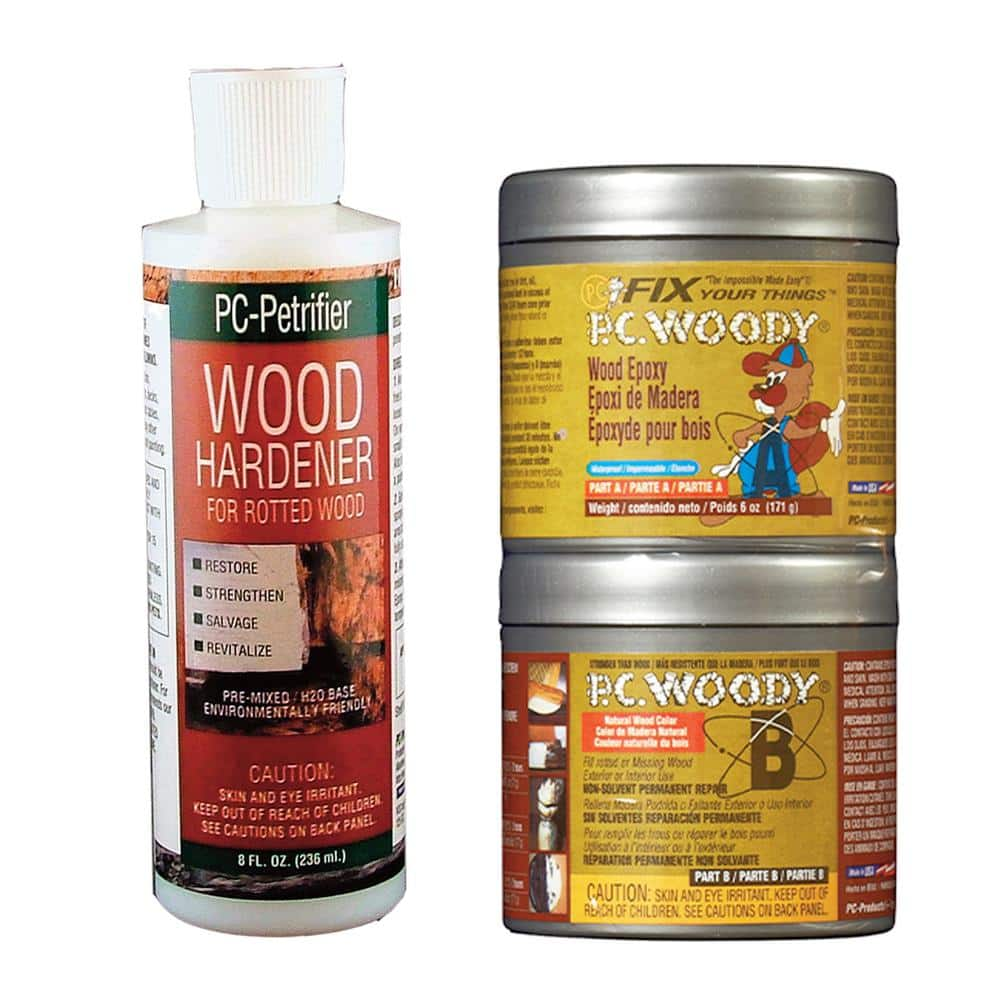
Water-damaged wood around outdoor deck screw holes requires this two-stage rescue:
1. Consolidate: Saturate crumbling areas with low-viscosity epoxy (Abatron LiquidWood) using a syringe until wood stops absorbing
2. Fill: Pack voids with trowelable epoxy filler, sculpting it to match original contours
3. Cure: Wait 72 hours before sanding—epoxy continues hardening during this period
Warning: Never fill rotted areas directly with wood filler—it lacks structural bonding and will detach within months.
Make Your Drill Hole Repair Disappear with Perfect Finishing
90% of repair visibility comes from poor finishing. Follow this sequence:
– Sanding: Start with 120-grit on a rigid block, progressing to 320-grit in the direction of wood grain
– Staining: Apply base coat of diluted gel stain, then use a fine artist’s brush to mimic grain patterns with darker tones
– Topcoating: Wipe entire surface with mineral spirits before applying 2 thin coats of matching finish
Pro technique: For sun-darkened antiques, age the repair by dabbing steel wool soaked in vinegar onto the patch before staining—it creates authentic patina.
Avoid These 5 Common Drill Hole Repair Mistakes
Rushing the Cure Timeline
Filling a hole, then sanding in 2 hours guarantees failure. Wood glue needs 24 hours for full strength; epoxy requires 72 hours. Set phone reminders—your calendar is your most important repair tool.
Ignoring Wood Movement in Large Repairs
Rigid fillers like Bondo crack when wood expands across grain. For tabletops, use flexible epoxy fillers or Dutchman patches that move with the wood. Leave 1/32″ gap around patches in high-moisture areas.
Skipping the Backlight Test
Hold a flashlight parallel to the repair surface before finishing. This reveals low spots invisible under normal light. Sand high spots until the entire area reflects light evenly.
Mismatching Grain Direction in Patches
A Dutchman patch with vertical grain on horizontal-grain wood creates a visible “island.” Always match grain orientation—rotate your patch material until growth rings align perfectly.
Overlooking Finish Sheen Discrepancies
Matte finishes on satin surfaces look like repairs. Test your topcoat sheen by rubbing a sample on scrap wood, then compare under identical lighting conditions.
When to Call a Professional for Drill Hole Repairs
Some situations demand expert help: structural beam holes, antique veneer repairs, or holes within 2″ of edges where patching compromises integrity. For load-bearing members like stair stringers, consult a carpenter—improper repairs risk catastrophic failure. Most professionals charge $75-$150/hour but can often complete complex repairs in under an hour, making it cost-effective versus buying specialized tools.
Mastering how to fix drill holes in wood transforms mistakes from disasters into opportunities to upgrade your skills. The key is matching the repair to the damage—not the other way around. Start with small holes using the toothpick/dowel method, then progress to Dutchman patches as your confidence grows. Remember that perfect color matching matters less than structural soundness; a slightly visible repair that lasts 20 years beats an invisible one that fails in 6 months. Keep this guide in your shop, and the next time your drill bit slips, you’ll reach for your chisel instead of the panic button. Your woodworking journey just got a whole lot smoother—one repaired hole at a time.