Creating precise slotted holes is essential for adjustable joints, thermal expansion in metalwork, and various woodworking and metalworking projects. Whether you’re installing shelf brackets that need alignment flexibility, building a workbench with tool storage, or fabricating metal components that require thermal movement, knowing how to drill slotted holes correctly makes the difference between a professional finish and a frustrating mess. This guide delivers exactly what you need to know—no fluff, just actionable techniques for creating clean, functional slotted holes in wood, metal, and other materials.
Many DIYers and even experienced craftspeople struggle with slotted holes because standard drilling techniques don’t apply. Instead of a single clean hole, you need an elongated opening with straight walls and minimal tear-out. The right approach depends on your material, tools, and required precision. By the end of this guide, you’ll confidently create professional-quality slotted holes using the method that best fits your situation.
Essential Safety Gear and Workspace Setup for Slotted Hole Projects
Before you even pick up a tool, proper safety preparation prevents accidents and ensures clean results. Secure your workpiece firmly using heavy-duty clamps or a milling vise—loose materials cause dangerous kickbacks and inaccurate slots. Safety glasses are non-negotiable, especially when metal shavings or wood chips fly, and hearing protection becomes critical with routers and jigsaws.
Your workspace needs adequate lighting to see your markings clearly and enough space to maneuver your tools without restriction. Clear all clutter from your work area to prevent tripping hazards or accidental contact with running tools. Always unplug power tools before changing bits or blades, and keep your hands well clear of the cutting path. For metalwork, add a dust mask to protect against fine metal particles, and use cutting fluid to reduce heat and extend tool life.
Choosing the Right Method for Your Material (Wood vs. Metal)

The best technique for creating slotted holes depends entirely on your material and available tools. Wood and soft plastics respond best to router-based methods, while metal requires more specialized approaches like drill press milling or chain drilling. Trying to use wood techniques on metal (or vice versa) leads to broken tools and ruined workpieces.
| Method | Best For | Critical Considerations |
|---|---|---|
| Router with Straight Bit | Wood, plastics, soft composites | Use 1/4″ or 1/2″ up-cut spiral bits; make multiple shallow passes |
| Drill Press Chain Drilling | Thick metal or wood without router | Drill overlapping holes then clean up walls with files |
| Jigsaw with Fine-Tooth Blade | Thin metal (<1/8″) or straight cuts | Use 24-32 TPI blades; apply cutting fluid for metal |
| End Mill in Drill Press | Precision metal slots | Must use cross-slide vise; light cuts (0.010″-0.020″ per pass) |
Step-by-Step: Creating Perfect Slotted Holes in Wood with a Router
This method delivers the cleanest results for woodworking projects and works on plywood, MDF, and solid wood. Start by marking your slot boundaries precisely using a sharp scribe and combination square—pencil lines are too thick for accuracy. Drill 1/4″ pilot holes at both ends of your intended slot, matching your desired slot width.
Set up your router with a 1/4″ or 1/2″ up-cut spiral bit (1/2″ shank preferred for stability) and clamp a straightedge guide parallel to your slot line, positioned to create the exact slot width. Begin with shallow passes (1/8″ deep), gradually increasing depth until you reach your target. For the final pass, try a careful climb cut (moving against the bit’s rotation) to eliminate tear-out on the leading edge—this requires firm control but produces noticeably cleaner results.
Step-by-Step: Precision Slotted Holes in Metal Using a Drill Press
For metal projects, the drill press with end mill method provides professional results without requiring expensive milling equipment. Always mark and center-punch your slot endpoints first—this prevents bit wandering on the hard metal surface. Drill 1/8″ pilot holes at both ends using a standard twist drill bit matching your desired slot width.
Secure your workpiece in a milling vise or cross-slide vise to prevent movement during cutting. Install a 2- or 4-flute end mill (HSS or carbide) matching your slot width in a precision collet—not a standard 3-jaw chuck. Begin with extremely light side cuts (0.010″-0.020″ per pass), using cutting fluid throughout the process. Move the vise steadily along the slot path while maintaining consistent pressure. Never force the cut—let the end mill do the work to prevent breakage.
Troubleshooting Common Slotted Hole Problems
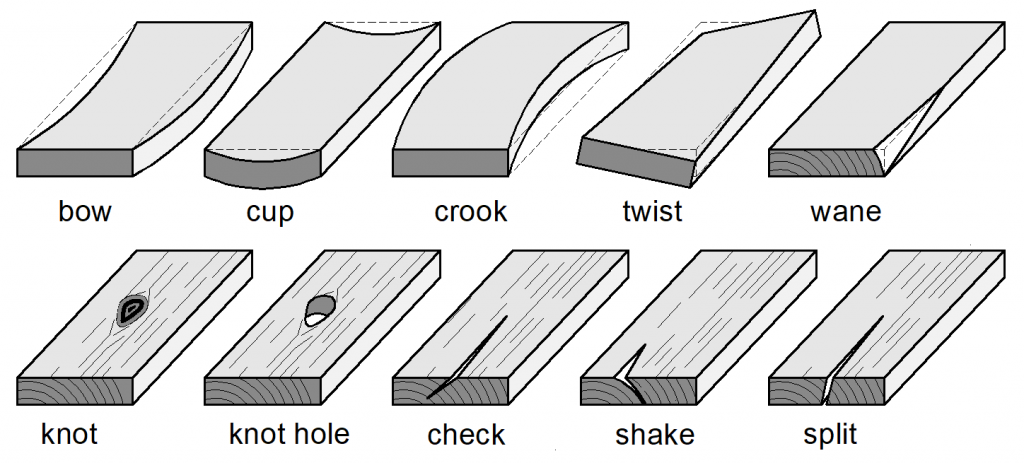
Ragged slot walls in wood? This usually means your router bit is dull or you’re taking too deep a pass. Sharpen or replace the bit and reduce your depth per pass to 1/8″ or less. For plywood, apply masking tape along the cut line first to minimize tear-out. If you’re working with metal, ragged edges typically indicate insufficient cutting fluid or too aggressive feed rate—slow down and increase lubrication.
Router wandering off course? Your straightedge guide isn’t secure enough. Use multiple clamps and verify alignment with a square before cutting. For drill press milling in metal, excessive chatter means your setup lacks rigidity—tighten all vise components and ensure minimal overhang. If your slot isn’t straight, check for blade deflection (jigsaw method) or verify your guide is perfectly parallel to the slot line.
Pro Tips for Professional-Quality Slotted Holes
Always test your technique on scrap material first, especially when working with expensive or critical components. Match the scrap piece’s thickness and material exactly to your final workpiece—what works on pine might fail on oak, and aluminum requires different handling than steel. For wood projects, sand the slot edges with 220-grit paper to remove any minor tear-out and ensure smooth fastener movement.
When working with metal, apply beeswax to your end mill—it acts as an effective cutting lubricant when proper cutting fluid isn’t available. For long slots in wood, use a zero-clearance baseplate on your router to prevent chip-out on the bottom surface. If you’re creating multiple identical slots, build a simple jig from MDF with T-tracks to maintain perfect consistency across all workpieces.
Finishing and Deburring Your Slotted Holes
Even perfectly cut slots need finishing touches for professional results. Deburr all metal slots immediately—sharp edges not only pose safety hazards but can damage fasteners and surrounding materials. Use a deburring tool, fine file, or rotary tool with a small grinding bit to gently remove burrs from both sides of the slot. For critical applications, consider light tumbling to create perfectly smooth edges.
Wood slots benefit from light sanding with 220-grit sandpaper wrapped around a flat stick. Pay special attention to the ends of the slot where tear-out commonly occurs. For visible projects, apply a small amount of wood glue to any minor tear-out areas, let it dry, then sand smooth—this fills gaps without altering the slot dimensions. Always test your fasteners in the finished slot to ensure proper fit before final assembly.
Creating clean, functional slotted holes transforms from frustrating challenge to satisfying skill with the right techniques. Start with simple wood projects using the router method to build confidence, then progress to metal applications as your skills develop. Remember that patience and proper setup outweigh speed—taking time to secure your workpiece, use sharp tools, and make gradual passes delivers professional results every time. Whether you’re building furniture, fabricating metal parts, or tackling home improvement projects, mastering how to drill slotted holes expands your capabilities and elevates your craftsmanship.