You’ve measured twice, marked your spot, and positioned your drill—only to watch plexiglass splinter as the bit breaks through. That frustrating crack ruins hours of work on display cases, protective barriers, or custom enclosures. Drilling acrylic demands different techniques than wood or metal because plexiglass melts at 160°C (320°F) and cracks under stress. But with the right approach, you’ll achieve glass-smooth holes every time. This guide reveals the exact drill speeds, bit modifications, and cooling tricks professionals use to drill plexiglass cleanly—even with basic tools. Skip the trial-and-error; learn the precise method that prevents melted edges and spiderweb cracks before you touch your first piece.
Essential Tools for Crack-Free Plexiglass Drilling
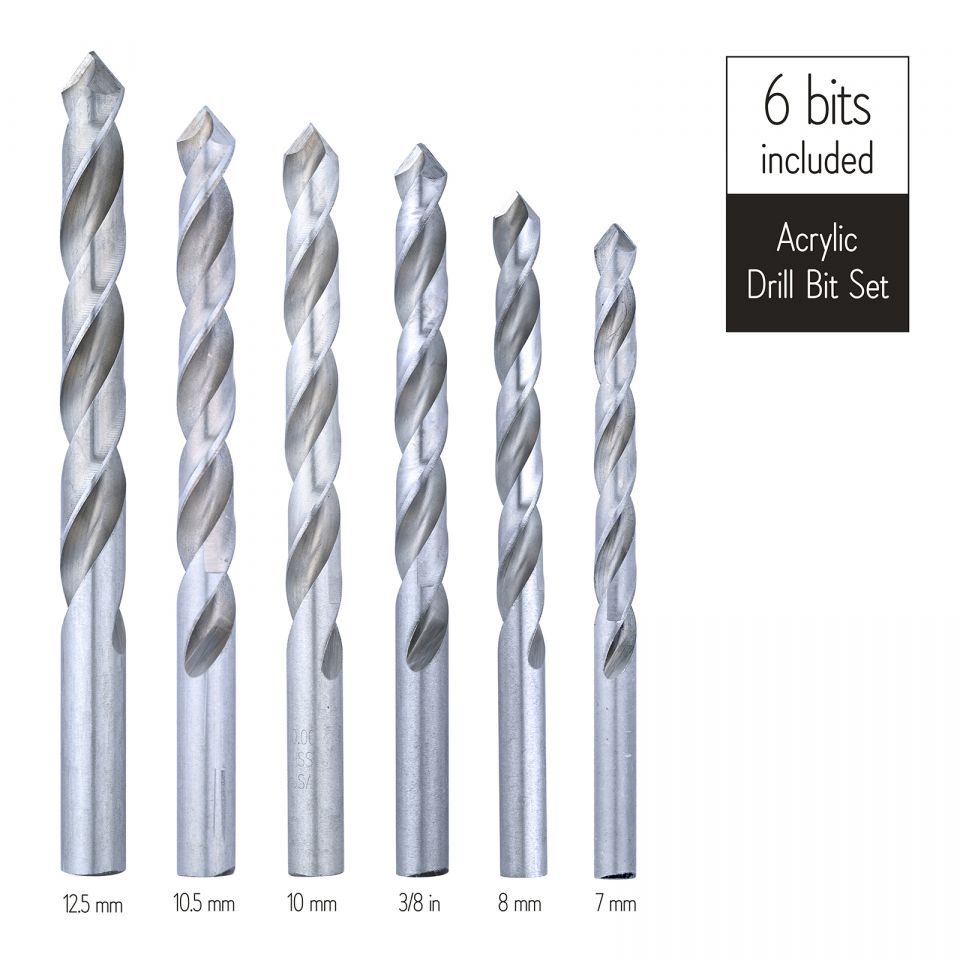
Using standard metal drill bits or skipping safety steps guarantees disaster. Your success hinges on four critical components: specialized bits, rigid clamping, strategic cooling, and surface protection. Start with a variable-speed drill set to its lowest torque setting—cordless drills work if you avoid high-speed mode. For bits under 1/4″, acrylic-specific drill bits with a 90° point angle are non-negotiable; they slice cleanly instead of grabbing. No specialty bits? Modify a standard HSS bit by grinding a 60°–90° point angle and flattening the cutting edges to prevent “dig-in.” Larger holes demand different tools: step drills for 3/8″–1-3/4″ holes, Forstner bits for flat-bottomed precision, or hole saws for diameters over 1″. Crucially, pair every drill bit with a sacrificial plywood backing board to eliminate exit-side blowout. Skip the tape at your peril—low-tack painter’s tape on both sides stops surface marring and reduces chipping by 70%. Finally, keep a spray bottle of water nearby; it’s your primary coolant since petroleum oils cause chemical crazing.
Why Standard Drill Bits Fail on Plexiglass
Generic twist bits with 118° point angles act like chisels on acrylic, grabbing material and triggering radial cracks. Their aggressive cutting edges generate heat that melts the plexiglass around the hole, causing reflow where shavings weld back into the walls. You’ll recognize this failure by fine white dust instead of smooth “noodles” of acrylic shavings. Extruded acrylic is especially vulnerable compared to cast acrylic due to its internal stress points. Even polycarbonate (Lexan) requires different handling—its softness makes it prone to gumming up bits. Always confirm your material type first; drilling polycarbonate needs even slower speeds. If modifying a standard bit, use a bench grinder to flatten the cutting lips perpendicular to the rotation axis (dubbing), creating a scraping action that minimizes heat. Polish the flutes afterward to reduce friction—this simple tweak transforms a destructive tool into a reliable acrylic specialist.
Step-by-Step Drilling Process for Perfect Holes
Follow this sequence to eliminate guesswork. Rushing any phase risks heat buildup or stress fractures, so allocate 5 minutes per hole for safety margins. Work in a well-ventilated area with safety glasses and an N95 mask—acrylic dust irritates lungs.
Step 1: Secure and Prepare the Workpiece
Clean the plexiglass with soapy water and a microfiber cloth to remove oils that cause bit slippage. Apply painter’s tape over your marked spot on both sides, then lightly center-punch through the tape—excessive force creates micro-cracks. Clamp the sheet between two sacrificial plywood boards using bar clamps; the backing board must be thick enough to absorb the drill’s exit impact. Test clamping security by tapping the plexiglass—it shouldn’t vibrate. If handheld drilling is unavoidable, brace the sheet against your body with a towel to prevent spinning, but a drill press delivers 90% better results through consistent perpendicular pressure. This setup prevents “blowout,” where unsupported material shatters as the bit exits.
Step 2: Set Up Drill Speed and Bit Geometry
For a 1/8″ hole, set your drill to 1,500–2,000 RPM; reduce to 300–500 RPM for 1/2″ bits. Critical rule: If acrylic shavings turn powdery or smoke appears, immediately cut speed by 30%. Cordless drills must use setting “1” (low speed/high torque)—high-speed mode melts holes within seconds. Insert your modified or acrylic-specific bit, ensuring it’s perfectly perpendicular to the surface. For hole saws over 1″, drill a 1/8″ pilot hole first to anchor the center point. Verify bit sharpness by testing on scrap acrylic; dull bits require double the pressure, generating dangerous heat. If using a drill press, lock the depth gauge 1/16″ shallower than the plexiglass thickness to avoid backing board damage.
Step 3: Execute the Drill with Heat Control
Begin drilling at half your target speed to create a guide dimple. Once seated, apply firm but steady pressure—never force the bit. Optimal cutting produces long, continuous acrylic “noodles”; dust means speed is too high or the bit is dull. Pause every 3–5 seconds to lift the bit completely, clearing chips with compressed air and spraying water into the hole. This “peck drilling” prevents reflow by cooling the bit and ejecting shavings before they melt. For thick sheets, alternate drilling directions: 5 seconds forward, 2 seconds in reverse to break chips. Monitor the bit temperature—if it’s too hot to touch, stop for 30 seconds. Exit-side breakthrough is the most vulnerable moment; reduce pressure by 50% as the bit nears the backing board to prevent tear-out.
Step 4: Deburr and Polish for Optical Clarity
After drilling, remove the tape and inspect for burrs—sharp plastic ridges inside the hole. Use a deburring tool at low speed (or hand-turn a larger drill bit) to gently scrape these away. For display-grade edges, wet-sand the hole interior starting with 400-grit paper, progressing to 2,000-grit in circular motions with constant water spray. Finish with Novus #3 polish and a microfiber cloth for a flame-polished effect. Never skip deburring; residual stress from burrs can cause delayed cracking days later. If holes appear cloudy, excessive sanding heat has micro-scratched the surface—restart with finer grits and more water.
Critical Mistakes That Ruin Plexiglass Projects

Skipping the backing board causes catastrophic exit-side splintering—always drill into sacrificial wood. Using WD-40 as lubricant seems logical but chemically attacks acrylic, creating invisible stress fractures that worsen over time. Forcing the drill when progress slows is the #1 cause of cracking; if the bit grabs, back out immediately and reduce speed. One pro shortcut: Test your setup on scrap acrylic first—adjust speed until you see perfect “noodles,” then replicate those settings. If melting occurs, switch to a modified bit with a 90° point angle; standard bits’ 118° geometry is fundamentally incompatible with acrylic. Remember polycarbonate requires even slower speeds (200–400 RPM for 1/4″ bits) due to its lower melting point. Track your successful settings (bit type, RPM, feed rate) for future projects—this eliminates repeat failures.
Drilling plexiglass cleanly hinges on heat management and stress prevention. By using modified bits at 300–2,000 RPM, peck-drilling with water cooling, and securing workpieces between plywood boards, you’ll achieve professional results without cracks or melting. Always deburr holes immediately to prevent delayed fractures, and practice on scrap material first to calibrate your drill settings. For frequent projects, invest in acrylic-specific bits—they pay for themselves in saved materials. Now that you’ve mastered hole drilling, explore our guide on polishing acrylic edges to a crystal finish or learn laser-cutting alternatives for complex shapes. Your next plexiglass project won’t just survive the drill—it’ll look factory-made.