That wobbly cabinet door or shaky table leg likely traces back to one common mistake: poorly drilled dowel holes. When you’re trying to create strong, invisible joints in your woodworking projects, the difference between success and failure comes down to drilling dowel holes with absolute precision. A single misaligned or incorrectly sized hole can compromise your entire project, turning what should be a seamless connection into a frustrating weak point.
Mastering how to drill dowel holes properly transforms your woodworking from amateur to professional. This isn’t just about strength—it’s about creating joints that last decades while maintaining that clean, seamless appearance that defines quality craftsmanship. In this guide, you’ll discover the exact techniques professionals use to achieve perfect dowel alignment, the right tools for the job, and solutions to the most common dowel drilling problems.
Why Your Drill Bit Keeps Wandering (And How to Stop It)
The most frustrating problem when you’re trying to drill dowel holes is a drill bit that won’t stay on target. This wandering creates oval-shaped holes that lead to weak joints, no matter how much glue you use. Standard twist bits simply weren’t designed for wood—they’re meant for metal and lack the precision needed for accurate dowel work.
Using the Right Bit to Prevent Wandering
Brad point bits are your secret weapon for drilling precise dowel holes. Unlike standard bits, they feature a sharp center spur that bites into the wood immediately, keeping the bit perfectly centered. For best results:
- Always use sharp brad point bits specifically designed for wood
- Choose bits with spiral flutes that efficiently remove wood chips
- Select the exact size matching your dowels (more on sizing below)
- Keep multiple bits on hand—dull bits wander more easily
Creating the Perfect Starting Point
Before you even touch the drill trigger, create a precise starting point:
- Use a sharp awl or center punch to make a small dimple exactly where you want the hole
- Place the brad point of your bit directly into this dimple
- Start drilling at a low speed to establish the hole
- Apply gentle, consistent pressure—let the bit do the work
This simple dimple technique prevents 90% of wandering issues, especially when working with hardwoods that resist initial penetration.
How to Match Dowel Size to Drill Bit for Perfect Friction Fit
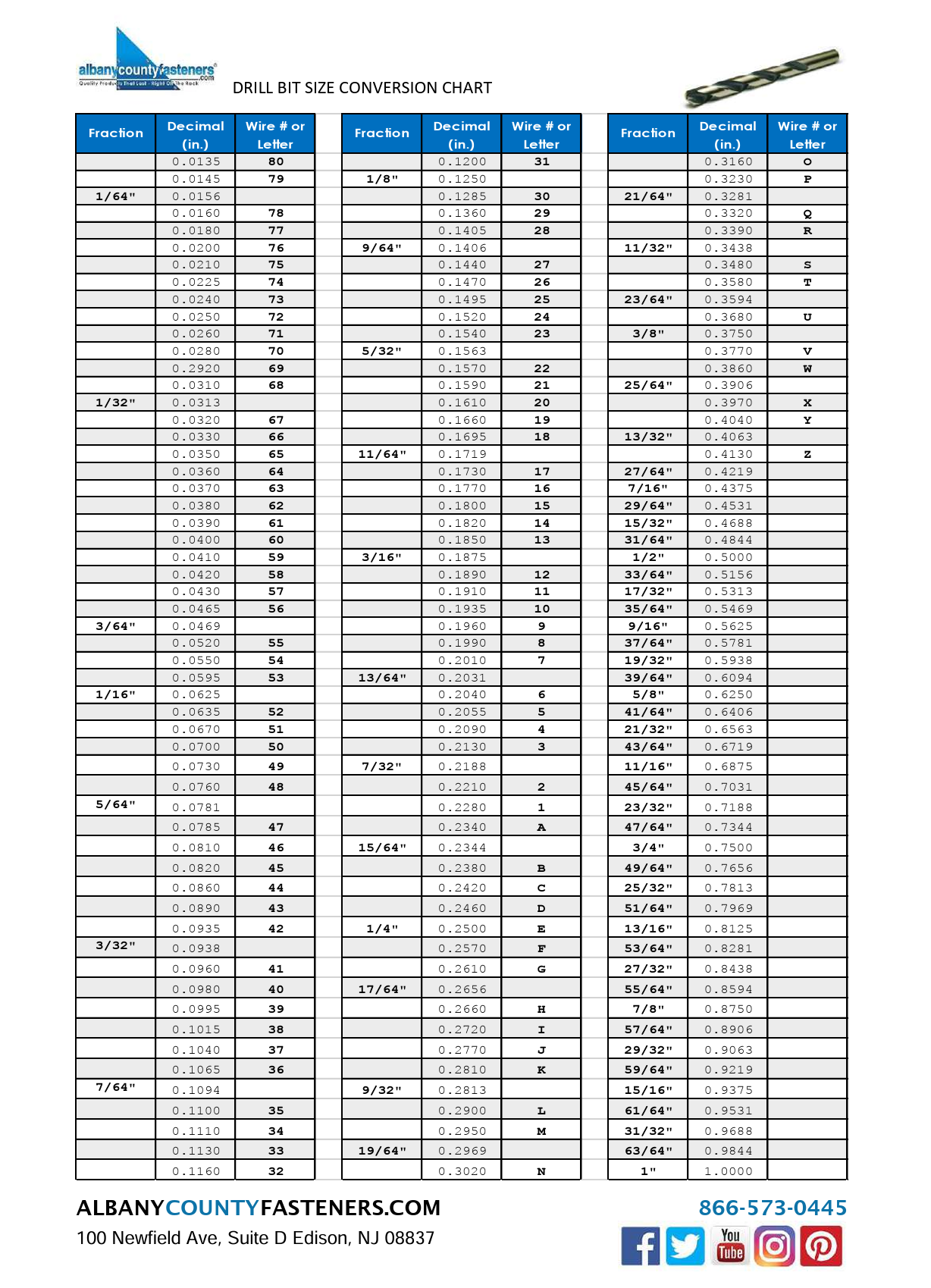
The most common mistake in dowel joinery is mismatched sizes between your dowel and drill bit. Getting this wrong guarantees either a loose joint or one that splits your wood when you force the dowel in.
The Exact Sizing Formula
For a perfect friction fit when you drill dowel holes:
* Your drill bit should be 0.1-0.2mm smaller than the dowel diameter
* For imperial measurements, use the exact same size (e.g., 1/4″ bit for 1/4″ dowel)
* Always test on scrap wood from the same batch you’re using for your project
Wood movement due to humidity changes means your perfect fit today might be too tight or too loose tomorrow. This is why testing matters more than theoretical sizing.
Avoiding the Oversized Hole Trap
Many woodworkers mistakenly use a slightly larger bit to make assembly easier. This creates a weak joint because:
* Excess glue fills the gap rather than creating a strong bond
* The dowel can move slightly after glue dries
* Joint strength decreases by up to 40% with even a small gap
If your dowel won’t fit, lightly sand it or re-drill with the correct size bit—never force it.
Why Your Dowel Hole Depth Should Be 1/8″ Deeper Than the Dowel
Most beginners drill dowel holes exactly as deep as the dowel length. This common mistake creates hydraulic lock—a phenomenon where trapped air and excess glue prevent the dowel from seating fully.
The Science Behind Proper Depth
For maximum joint strength:
* Drill holes 1/8″ to 1/4″ deeper than your dowel length
* This creates space for excess glue and air to escape
* Ensures the dowel seats fully against the bottom of the hole
Without this extra depth, you’ll struggle to fully insert the dowel, creating gaps that weaken your joint.
Setting and Verifying Depth Consistently
Whether using a drill press or hand drill:
* For drill press: Set the depth stop and test on scrap wood first
* For hand drill: Wrap electrical tape around the bit at your desired depth
* Always verify depth with a small ruler or depth gauge before assembly
Check your depth frequently—drill bits can slip in the chuck during use, changing your depth without you noticing.
How to Align Dowel Holes Perfectly Between Two Boards Every Time
Misaligned holes are the #1 reason dowel joints fail. When holes don’t line up perfectly between two pieces, you’ll fight with the assembly and end up with gaps or stress points.
The Dowel Center Method (Step-by-Step)
This professional technique guarantees perfect alignment:
- Drill holes in your first workpiece to the correct depth
- Insert metal dowel centers into these holes (they have sharp points)
- Apply gentle pressure to transfer the exact center point to the mating piece
- Drill the second set of holes using these precise marks
Dowel centers cost just a few dollars but eliminate guesswork, making them essential for how to drill dowel holes accurately across multiple pieces.
Alternative Alignment Techniques
If you don’t have dowel centers:
* Use double-sided tape to temporarily hold pieces together while marking
* Create a story stick with exact spacing for consistent hole placement
* Drill through both pieces at once when possible (requires backing board)
Fixing Common Dowel Problems Before Assembly
Even with careful preparation, you might encounter issues. Catching these before final assembly saves hours of frustration.
Loose-Fitting Dowel Solutions
If your dowel spins freely in the hole:
* Wrap the dowel with thin veneer tape for a tighter fit
* Use fluted dowels that provide glue channels without excess space
* Apply a thin layer of wood glue to the hole wall and let it dry before final assembly
Misaligned Hole Fixes
Don’t scrap the entire piece if holes are slightly off:
1. Fill the misaligned hole with a tight-fitting wood plug
2. Let the glue dry completely
3. Re-drill in the correct position
4. Sand smooth before final assembly
This repair is virtually invisible in the finished piece.
Drill Press vs. Hand Drill: Which Works Better for Dowels?
:max_bytes(150000):strip_icc()/475indesign-0a4d0142788c4465b200f7878059481a.jpg)
When to Use a Drill Press
A drill press is ideal when:
* You need perfectly perpendicular holes
* Working on multiple identical pieces
* Drilling deep holes requiring consistent pressure
* Making fine furniture where precision is critical
Check your drill press table is perfectly perpendicular to the spindle before starting—many come slightly off-angle from the factory.
Hand Drill Techniques That Rival Drill Press Accuracy
Don’t have a drill press? Use these professional hand drill techniques:
* Drill guide blocks with precisely sized holes
* Self-centering dowel jigs that clamp to your workpiece
* Laser guides that project a perfect 90-degree line
* The two-person method: One person holds the drill square while the other operates it
Preventing Tear-Out When Drilling Through Holes
Tear-out on the backside of your workpiece ruins the clean look of dowel joints, especially with plywood or veneered surfaces.
The Backer Board Technique
For clean through-holes:
1. Place a scrap wood backer board behind your workpiece
2. Clamp both pieces securely together
3. Drill through both pieces at once
4. The backer board supports fibers as the bit exits
This simple technique eliminates 95% of tear-out problems when you drill dowel holes through your workpiece.
Maximizing Dowel Strength: The Right Glue Application Technique
How you apply glue dramatically affects joint strength—many woodworkers make critical mistakes here.
Where to Apply Glue for Maximum Strength
- Apply a thin film inside the hole with a small brush
- Add a light coat to the dowel itself
- Never fill the hole completely with glue
- Leave the bottom 1/4″ dry to prevent hydraulic lock
Too much glue creates hydraulic lock, while too little results in a weak bond. The perfect amount is a thin, even coat that covers all surfaces without pooling.
Pro Tips for Professional Dowel Results
- Always test drill on scrap wood from your project first
- Drill at moderate speed—too fast burns wood, too slow creates rough holes
- Clear chips frequently by backing the bit out halfway
- Use fresh, straight-grained dowels without cracks or knots
- Dry fit all pieces before applying glue
Mastering how to drill dowel holes transforms your woodworking projects from shaky to solid. The key isn’t special tools—it’s understanding the precise techniques that create perfect alignment, proper fit, and maximum strength. By focusing on accurate layout, using the right bits, maintaining consistent depth, and applying glue correctly, you’ll create joints that are both invisible and incredibly strong. Remember, the difference between an amateur and professional dowel joint comes down to those few critical millimeters of precision in every hole you drill. Take your time with these techniques, and you’ll never struggle with weak dowel joints again.