That frustrating moment when your drill stalls while driving a long deck screw or wanders off course while drilling a clean hole—this is why knowing how to choose the right drill matters. With so many cordless drills crowding store shelves and online marketplaces, each boasting impressive specs and features, even simple home projects can become overwhelming. The wrong tool doesn’t just slow you down; it can damage materials, strip fasteners, and turn what should be a satisfying weekend project into a stressful chore. Whether you’re hanging pictures, building furniture, or tackling a full home renovation, this guide cuts through the marketing hype to give you the practical knowledge you need to select the perfect drill for your specific tasks.
Most homeowners make the mistake of buying whatever drill looks impressive at the store without considering their actual project needs. The truth is, a professional-grade 60V drill is massive overkill for hanging shelves, while a tiny 12V model will struggle with deck construction. Understanding how to choose the right drill means matching the tool’s capabilities to your most common projects, not just chasing the highest voltage number. In the next few minutes, you’ll learn exactly which features actually matter for DIY work, how to avoid common purchasing pitfalls, and the simple decision-making process that ensures you get the best value for your money.
Critical Features That Determine How to Choose the Right Drill
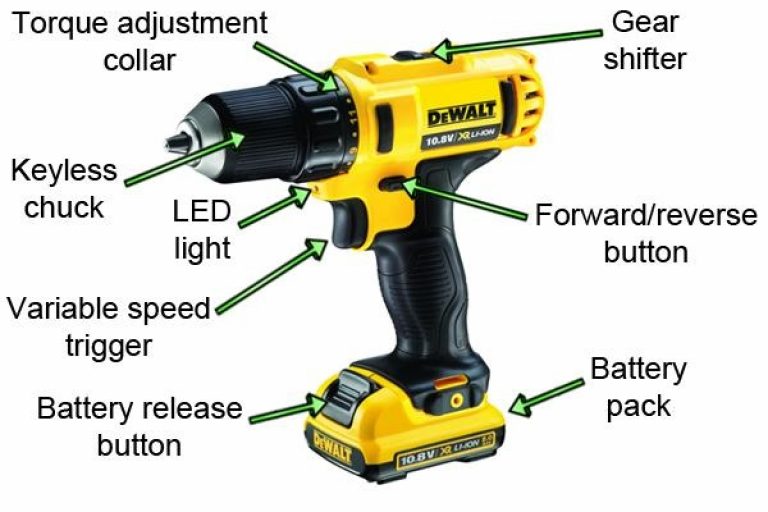
When standing before rows of cordless drills, it’s easy to feel overwhelmed by technical specifications. Focus on these essential elements that directly impact your drilling success and comfort.
Drill vs. Impact Driver: Solving Your Most Common Fastening Problems
Understanding the fundamental difference between these tools prevents costly mistakes when learning how to choose the right drill. A standard cordless drill/driver serves as your versatile all-purpose tool for:
- Drilling precise holes in wood, metal, and plastic materials
- Driving and removing standard screws with controlled torque
- Light hammer drilling functionality for masonry work (on models with this feature)
Meanwhile, an impact driver excels at one critical task: driving long or stubborn fasteners with remarkable efficiency. Its unique “hammer and anvil” mechanism delivers rotational force plus forward hammering action, making it ideal for:
- Driving lengthy deck screws into pressure-treated lumber without stripping
- Assembling large structures like sheds, fences, or outdoor furniture
- Any project requiring dozens of fasteners where speed and reduced user fatigue matter
Pro Tip: For most homeowners, purchasing a combo kit with both a drill/driver and impact driver represents the smartest investment. Once you experience driving ten 3-inch deck screws in under a minute with an impact driver, you’ll never go back to using just a standard drill for heavy fastening work.
Power Requirements Based on Your Specific Project Types
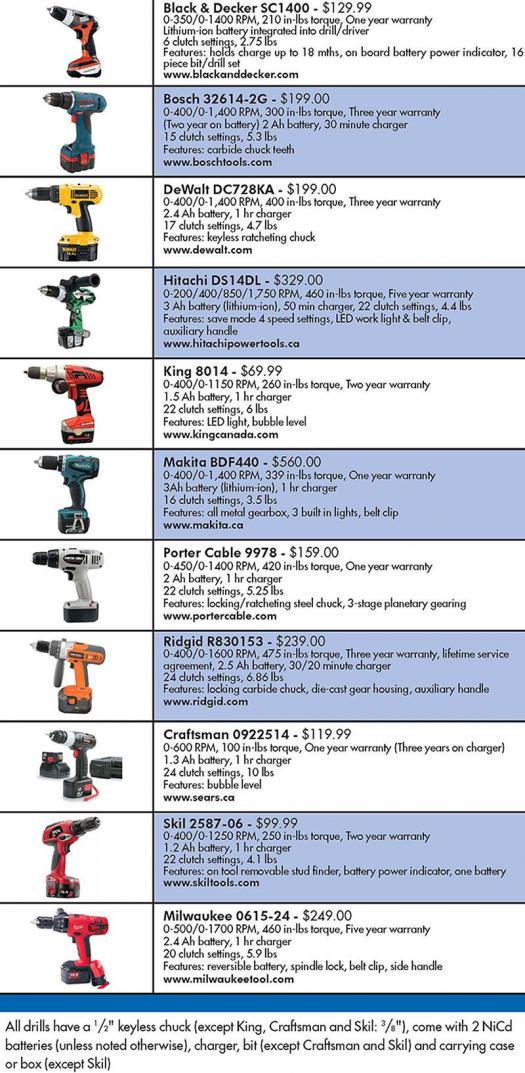
Torque rating (measured in Newton-meters) determines a drill’s ability to handle resistance without stalling. When figuring out how to choose the right drill, match the torque to your typical projects:
- 35-60 N·m: Perfect for 95% of household tasks including hanging cabinets, assembling furniture, and installing shelves
- 80-120 N·m: Necessary for demanding applications like deck construction, working with dense hardwoods, or automotive projects
Gear selection significantly affects performance. A two-speed transmission provides:
- Low gear (1): Delivers maximum torque for driving large lag bolts or stubborn fasteners
- High gear (2): Enables faster drilling through softer materials with reduced risk of bit “grabbing”
Battery Platform Strategy for Long-Term Value
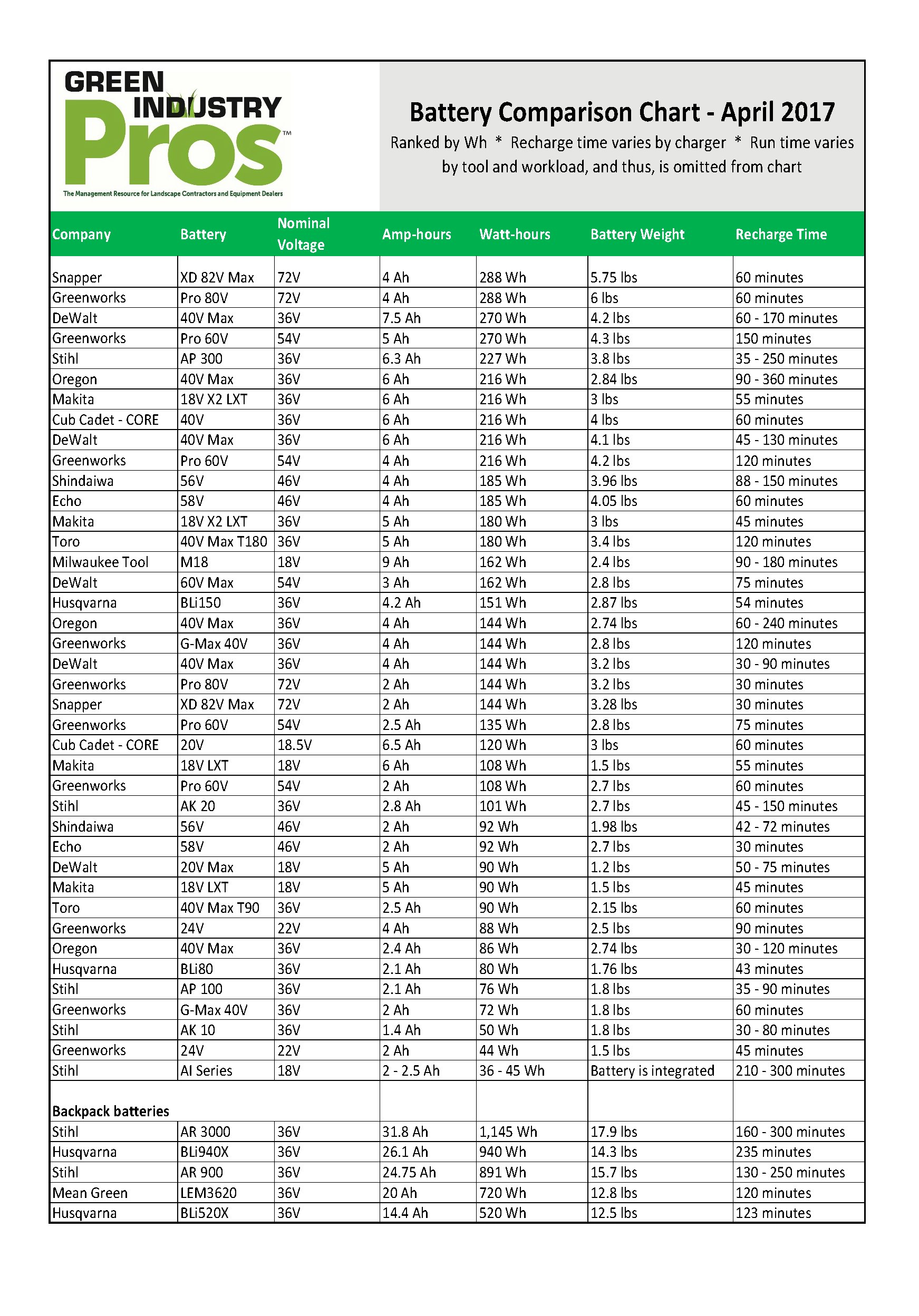
The battery ecosystem you select affects not just your drill but potential future tool purchases. When learning how to choose the right drill, consider these voltage options:
- 12V: Compact and lightweight for overhead work or tight spaces; sufficient for 90% of household tasks
- 18V/20V Max: The versatile sweet spot for most DIYers (note: “20V Max” is marketing terminology for 18V batteries)
- 60V/80V Max: Professional-grade power that’s typically excessive for homeowner needs
Battery capacity (measured in Amp-hours) determines runtime between charges:
- 2.0Ah: Suitable for occasional light tasks
- 5.0-6.0Ah: Recommended for extended projects or frequent use
Critical Insight: Choosing a brand with a shared battery platform means your drill batteries can power future purchases like saws, trimmers, or vacuums—maximizing your investment.
Chuck Mechanics That Affect Your Drilling Precision
The chuck holds your drill bits securely during operation. When determining how to choose the right drill, examine:
- ½-inch keyless chuck: The ideal standard for most DIY work, accommodating both small precision bits and larger spade bits
- Keyless ratcheting mechanism: Allows quick, tool-free bit changes with hand-tightening—essential for efficient workflow
- Chuck runout: Quality drills maintain bit alignment within 0.015 inches for straight, accurate holes
Speed Control and Clutch Settings for Project Success
Two often-overlooked features dramatically impact drilling results:
- Variable speed trigger: Provides smooth control from slow screw starting to high-speed drilling—avoid fixed-speed models
- Adjustable clutch: Features numbered settings that disengage the motor at specific torque levels to prevent:
- Stripped screw heads
- Over-driven fasteners
- Material damage from excessive force
Common Mistake: Many beginners set the clutch too high, defeating its purpose. Start at setting 3-5 for most woodworking applications and increase only as needed.
The DIYer’s Quick-Reference Guide to Selecting Your Perfect Drill
Follow this straightforward process when learning how to choose the right drill for your specific situation:
- Assess your primary projects: Are you mostly hanging pictures (12V drill) or building a deck (drill + impact combo)?
- Consider workspace constraints: Need to work overhead or in tight spaces? A compact 12V model reduces fatigue.
- Evaluate screw-driving frequency: Lots of fasteners? An impact driver becomes essential equipment.
- Check brand compatibility: Will this drill share batteries with potential future tools you might need?
Top Brand Recommendations Based on Your Skill Level
Best Value Options for Occasional Homeowners
For those tackling minor projects a few times yearly, Ryobi and Skil deliver exceptional value through:
- Extensive home center availability with frequent sales
- Comprehensive tool ecosystems sharing the same battery platform
- Consumer-friendly warranties covering typical household use
Smart Strategy: Start with a basic kit—most brands offer introductory packages that provide excellent capability at entry-level pricing.
Premium Choices for Serious DIY Enthusiasts
When your projects grow more ambitious—building decks, renovating rooms, or constructing furniture—invest in Milwaukee M18, DeWalt 20V Max, or Makita 18V systems because:
- They offer both bare tool and complete kit options
- Their professional-grade durability withstands frequent use
- The extensive accessory ecosystem supports virtually any project
Pro Insight: These brands consistently lead innovation in brushless motor technology, providing 30-50% more runtime per charge compared to basic models.
Professional-Grade Tools Worth Considering
Milwaukee, DeWalt, and Makita dominate job sites for compelling reasons that may benefit serious DIYers:
- Industry-leading durability with metal gear housings
- Advanced electronics protecting motors from overload
- Comprehensive service networks for quick repairs
Final Verification Checklist Before Purchase
Don’t finalize your decision on how to choose the right drill without completing these critical steps:
- Handle the actual tool: Visit a store to assess weight distribution and grip comfort—specs don’t reveal how fatiguing a tool feels during extended use
- Confirm battery compatibility: Ensure the charger works with your electrical system and batteries fit your storage space
- Test the trigger response: A quality drill offers smooth, progressive activation without sudden “jumping”
- Examine the warranty terms: Look for at least 2-year coverage with convenient service center locations
- Calculate true cost per tool: Factor in potential future purchases that could share the same battery platform
Critical Warning: Avoid the temptation to buy the highest-voltage model “just in case.” A well-matched 18V system handles virtually all homeowner projects more comfortably than an oversized professional tool.
The right drill transforms your relationship with home improvement—from dreading projects to anticipating them. By following this practical framework for how to choose the right drill, you’ll select a tool that matches your actual needs rather than marketing promises. Remember that the most expensive drill isn’t necessarily the best choice; the perfect drill is the one that consistently helps you complete your specific projects with confidence and precision. Your next home improvement task awaits—now you have the knowledge to approach it with the ideal tool in hand.