
Your drill bit wanders off-mark, shreds the wood surface, or leaves ragged exit holes—yet you’re using the exact same drill head types that worked fine on pine last week. The culprit? Most woodworkers treat all bits as interchangeable, not realizing that a single mismatched drill head type can turn a $300 walnut slab into firewood in seconds. With 70% of woodworking drilling errors stemming from incorrect bit selection (per industry repair data), choosing the right drill head type isn’t optional—it’s the difference between professional results and costly rework. This guide cuts through the confusion, revealing exactly which drill head types eliminate tear-out, prevent burning, and deliver glass-smooth holes in any wood species. You’ll master bit selection in under 10 minutes and never waste another board.
Why Your Drill Bit Tears Out Wood (And How to Stop It)
Wood fibers splinter when the bit’s cutting action rips rather than shears them. Twist bits—the most common drill head types—often cause this because their blunt tip crushes wood grain instead of slicing it cleanly. This creates exit-side blowout that ruins delicate veneers or expensive hardwoods. The fix? Match the drill head type to your wood’s structure:
Brad Point Bits: Your Secret for Splinter-Free Holes in Hardwoods
Brad point bits feature a sharp central spike and outer spurs that score wood fibers before the main cutter engages. This prevents tear-out in maple, cherry, or figured walnut where twist bits fail.
– Critical detail: The spurs must contact the wood before the cutter lip—hold the drill perpendicular and start at 400 RPM.
– Pro mistake: Using them on MDF (spurs chip edges)—switch to Forstner bits instead.
– Time-saver: No need for backing boards when drilling through-holes in hardwoods under 1-1/2″ thick.
Spade Bits vs. Hole Saws: When Speed Trumps Cleanliness
Spade bits (flat paddle heads) rip through softwoods at 1,500+ RPM but shred oak or plywood edges. Hole saws (toothed cylinders) create cleaner large openings but burn out quickly in hardwoods.
– Use spade bits ONLY for:
– Rough framing (2x4s for decks)
– Electrical conduit holes in subfloors
– Projects where the hole’s backside won’t be visible
– Hole saw red flag: If the pilot bit spins freely after 2″ depth, you’re burning the wood—pull out every 1/2″ to clear chips.
Forstner Bits: Drill Flat-Bottomed Holes Without Blowout
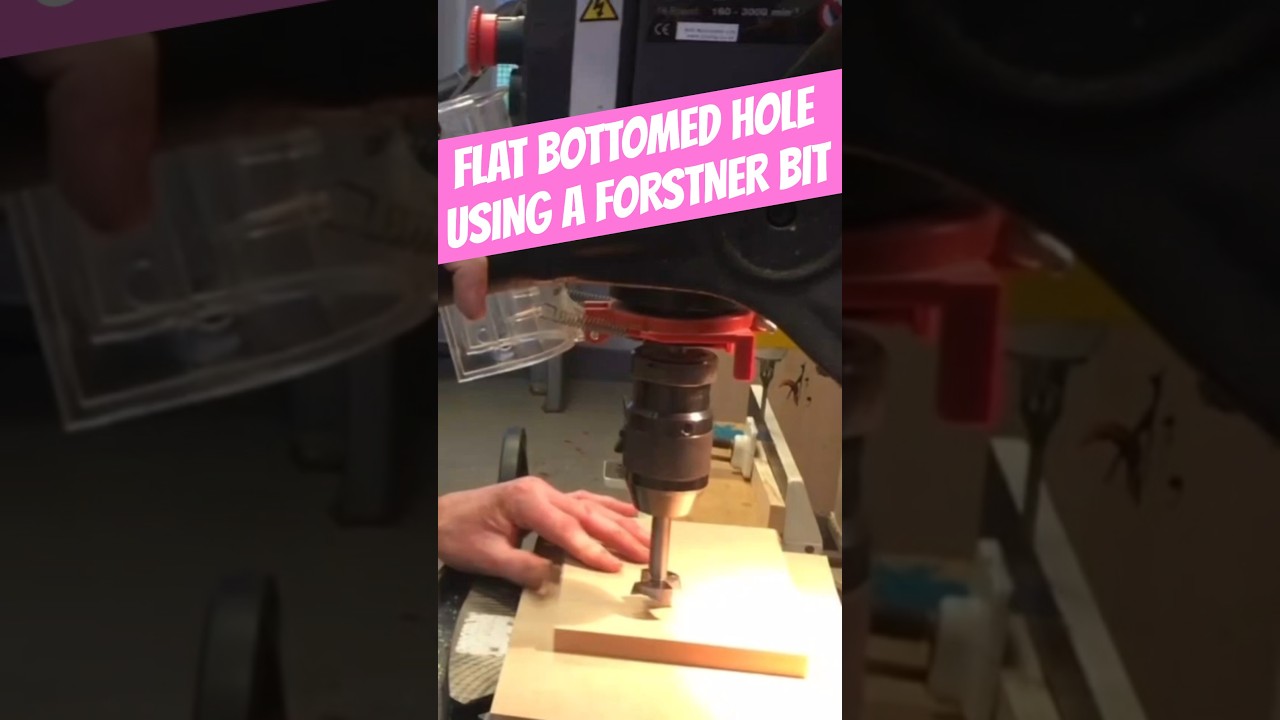
Forget twist bits for hinge cups or inlays. Forstner bits cut with a rim-guided shearing action that slices wood fibers cleanly, even at the edge of a board. They’re the only drill head types that create true flat-bottomed holes in one pass.
– Why they outperform: The outer rim scores the circumference before the center cutter advances, preventing breakout on exit.
– Critical setup: Clamp workpieces and use 300-500 RPM (max) in hardwoods—faster speeds cause burning.
– Expert trick: Drill overlapping holes for curved cutouts by staggering the bit 1/4″ per pass.
Why Forstner Bits Bind in Maple (And the 3-Second Fix)
Maple’s dense grain gums up Forstner flutes, causing dangerous binding. Solve this by:
1. Drilling a 1/8″ pilot hole with a brad point bit first
2. Applying beeswax to the bit’s flutes (reduces friction by 40%)
3. Withdrawing every 1/4″ to clear compacted chips
Screw-Prep Drill Head Types: From DIY Blunders to Pro Results
Countersink bits and pocket hole systems fail when the drill head type doesn’t match your screw or wood thickness.
Countersink Bits: Why Your Screw Heads Strip or Protrude
Standard countersinks create angled recesses that mismatch flat-head screws, causing stripping. Combination bits (drill + countersink + pilot) solve this but require precise depth control.
– Fatal error: Using metal countersinks on wood—they tear grain. Always choose carbide-tipped wood-specific bits.
– Depth hack: Mark the bit with tape at your screw’s head depth—stop drilling when tape hits the surface.
Self-Centering Bits: Install Cabinet Hinges in 10 Seconds Flat
European hinge cups demand perfect alignment—a 1/16″ error makes doors wobble. Self-centering bits (Vix-style) have spring-loaded collars that center automatically in the hinge plate’s pilot hole.
– Only works if: The hinge plate is fully seated before drilling.
– Speed tip: Drill at 800 RPM—slower causes binding, faster melts plastic hinge cups.
Drill Head Types for Problem Woods: Plywood, Veneer & Reclaimed Lumber
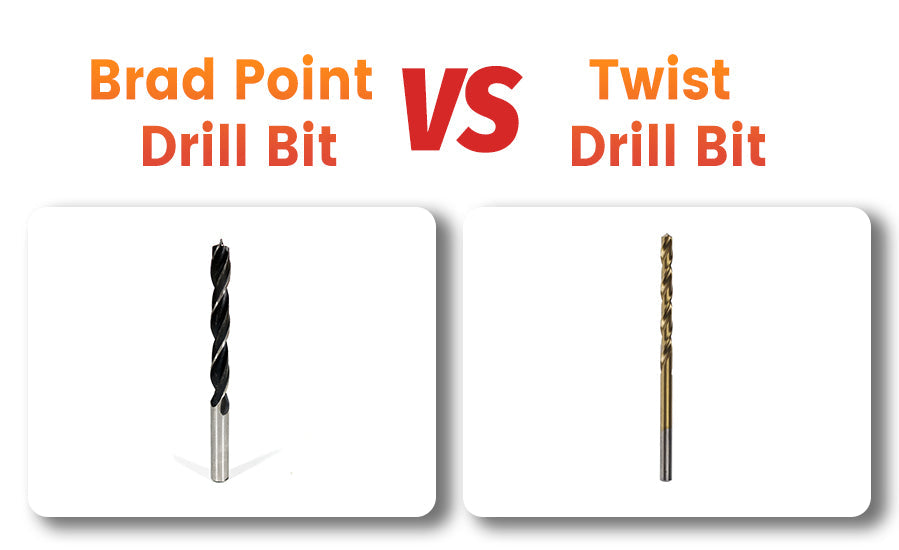
Engineered woods punish incorrect drill head types with catastrophic tear-out.
Plywood That Doesn’t Splinter: The Brad Point + Backer Board Combo
Plywood’s cross-grain layers shred when exit-side fibers aren’t supported.
– Step-by-step:
1. Clamp a sacrificial backer board (scrap plywood) behind your workpiece
2. Drill with brad point bit at 600 RPM
3. Stop when the spur just penetrates the backer board
– Why it works: The backer board’s top veneer holds fibers intact during exit.
Reclaimed Lumber: Avoiding Nails That Shatter Drill Bits
Hidden nails in barn wood destroy standard bits. Use carbide-tipped masonry bits for initial probing—they withstand metal contact.
– Safety must: Wear ANSI-approved safety glasses (wood chips hit 70+ mph)
– Scan first: Pass a stud finder over the drilling area to detect metal
Drill Speed Cheat Sheet: Match RPM to Wood & Bit Type
:max_bytes(150000):strip_icc()/drill-press-chart-424bb9992cb84508936912ea46a0569f.jpg)
Speed errors cause 65% of drilling disasters. Hardwoods need slower speeds; softwoods tolerate faster RPM.
| Bit Type | Softwood (Pine) | Hardwood (Oak) | Plywood |
|---|---|---|---|
| Twist Bit | 1,500 RPM | 800 RPM | 1,000 RPM |
| Brad Point | 1,200 RPM | 600 RPM | 900 RPM |
| Forstner | 900 RPM | 400 RPM | 500 RPM |
| Spade Bit | 2,000 RPM | 1,000 RPM | 1,200 RPM |
Burn test: If wood darkens within 3 seconds of drilling, reduce speed by 25%.
5 Deadly Drill Bit Mistakes That Waste Time & Money
Using Metal Bits on Wood
Metal drill bits have aggressive flute angles that rip wood fibers. Their cobalt tips also dull faster on abrasives like pine resin.
– Spot the difference: Wood bits have wider flute spacing (clears chips faster) and shallower cutting angles.
Forcing Dull Bits Through Hardwood
A blunt bit requires 3x more pressure, causing dangerous kickback. Test sharpness by gently touching the tip—it should catch skin (carefully!) like a razor.
– Rescue tip: Rub a diamond file along the cutting edge at 60° for 10 seconds to restore edge.
Ignoring Bit Storage Damage
Throwing bits in a toolbox dulls edges through metal-on-metal contact.
– Pro fix: Store in foam-lined cases with individual slots—never let tips touch.
Safety Protocol: Avoid Kickback That Shatters Wrist Bones
Kickback occurs when bits bind and violently twist the drill. Follow these non-negotiable rules:
1. Clamp EVERYTHING: Hand-holding boards causes 80% of kickback incidents.
2. Unplug before changing bits: Cordless drills can fire if the trigger jams.
3. Check for hidden wires: Scan walls with a $15 stud finder—$200 ER visits aren’t worth skipping this.
Maintenance That Doubles Bit Lifespan
Pitch buildup on flutes causes overheating and poor cuts. Clean after every project:
– Soak in mineral spirits for 15 minutes to dissolve resin
– Scrub with brass brush (steel brushes damage carbide tips)
– Dry thoroughly before storage—moisture causes rust in 48 hours
The Drill Head Type Hierarchy: When to Splurge vs. Save
| Bit Type | Budget Pick | Pro Upgrade | When to Use Upgrade |
|---|---|---|---|
| Twist Bits | Standard HSS | Titanium-coated | Drilling >50 holes in hardwood |
| Brad Points | Steel | Carbide-tipped | Figured woods or production work |
| Forstner | Single-lip | Double-flute | Holes >1-1/2″ deep in maple |
Money rule: Spend 20% more on brad point and Forstner bits—they pay for themselves in saved materials.
Stop gambling with your workpieces. Mastering drill head types eliminates the #1 cause of ruined projects: mismatched bits. Choose brad points for clean hardwood holes, Forstners for flat-bottomed precision, and always match RPM to wood density. Keep bits sharp, store them properly, and clamp relentlessly—these habits transform drilling from a chore into a confidence builder. Your next project’s flawless holes start with the right drill head type in your hand today. For quick reference, download our free Drill Bit Selection Chart (includes RPM guides and tear-out fixes).