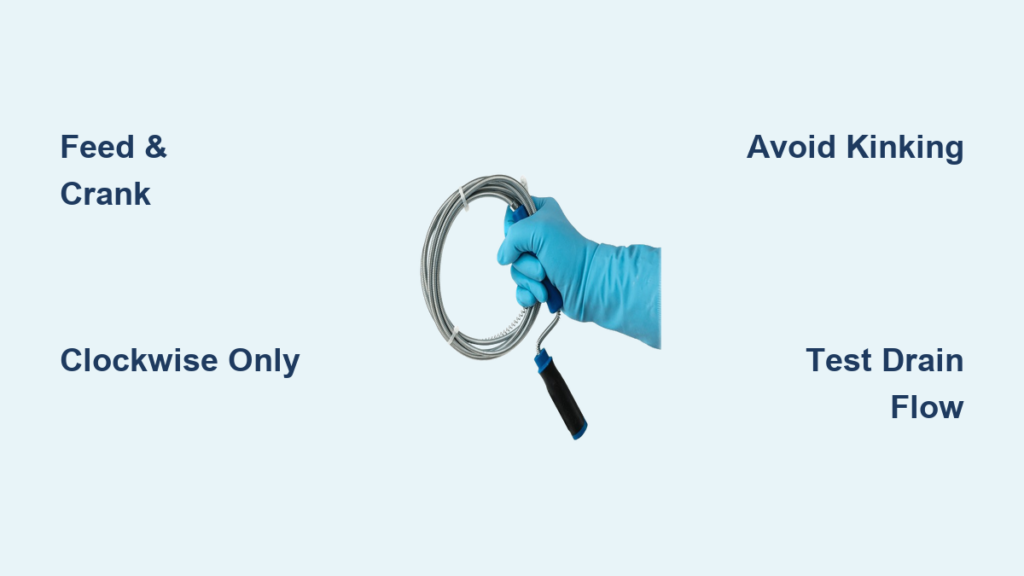
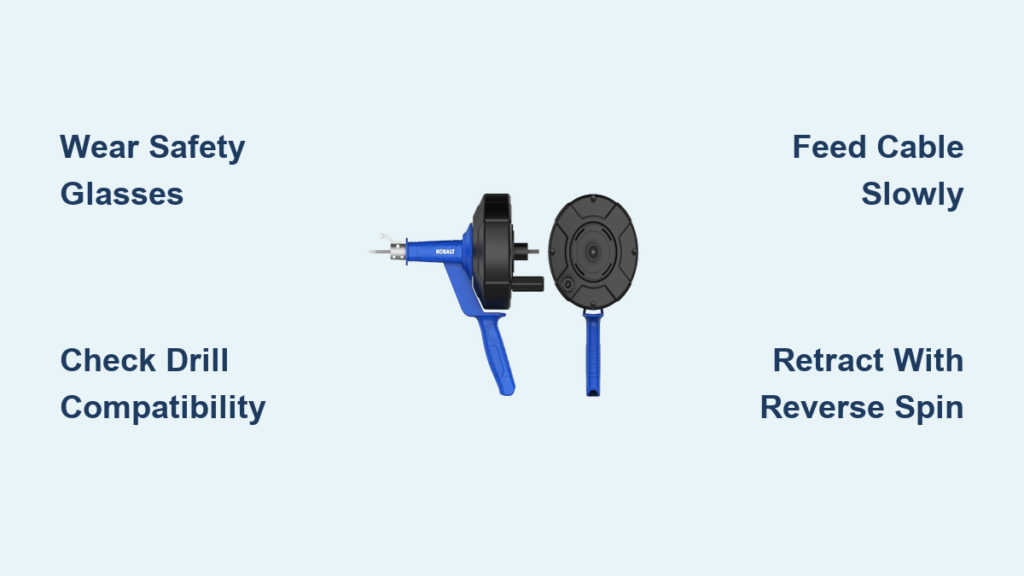
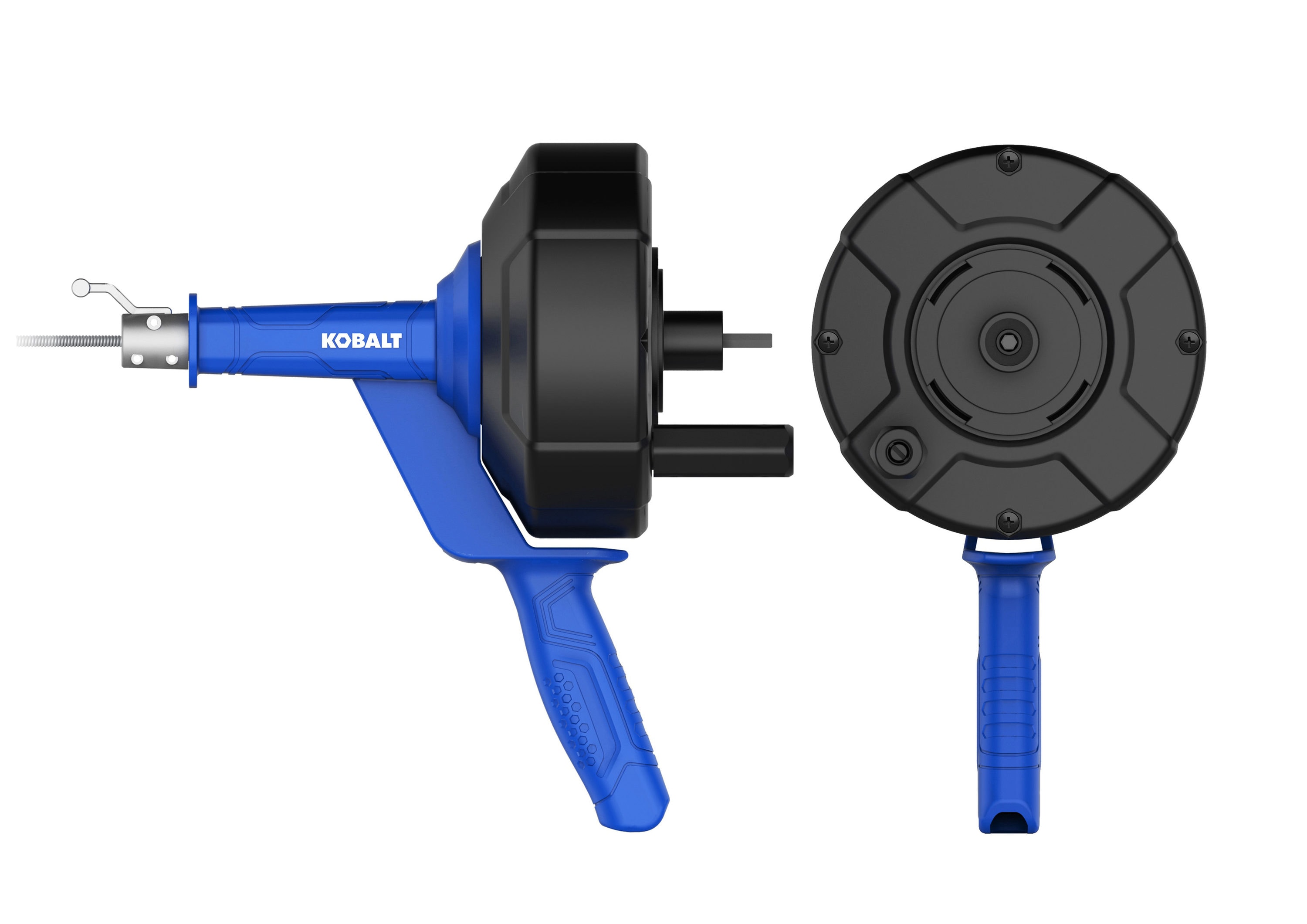
That slow-draining sink or shower isn’t just annoying—it’s a ticking time bomb for water damage and mold growth. When chemical cleaners fail and plunging makes things worse, your Kobalt drain auger becomes the hero you need. This drill-powered tool cuts through hair, grease, and soap scum blockages that clog 90% of household drains, saving you $150+ on emergency plumber calls. Unlike manual snakes, the Kobalt auger converts your cordless drill’s torque into a flexible cable that powers through obstructions in bathroom sinks, showers, and kitchen drains. In this guide, you’ll learn exactly how to use your Kobalt drain auger safely and effectively—including the critical safety steps most DIYers skip and the exact drill settings that prevent pipe damage. Skip the guesswork and get your drains flowing freely again in under 20 minutes.
Critical Safety Gear You Must Wear Before Starting (Non-Negotiable!)
Skipping safety gear with your Kobalt drain auger risks serious injury—rotating cables can snap at 300+ RPM, launching debris like shrapnel. You absolutely need ANSI Z87.1-rated safety glasses to shield your eyes from flying sludge and broken cable fragments. Heavy-duty rubber gloves (not dish gloves) protect hands from both sharp drain edges and the cable’s whip-like action during operation. Waterproof boots prevent slips in wet areas and keep feet dry during toilet or shower use. Never operate the auger barefoot or in socks—even a small splash of contaminated water can cause infections. Keep children and pets out of the work area entirely; the drill’s sudden kickback could send the auger flying. If you smell sewer gas, stop immediately—this indicates a venting issue requiring professional help, not DIY augering.
3 Essential Pre-Use Checks for Your Kobalt Auger and Drill
Verify Drill Compatibility and Power Settings
Your Kobalt auger requires an 18V or 20V MAX cordless drill with a ¼-inch hex chuck. Confirm your drill meets voltage requirements before attaching—using an underpowered drill (below 12V) causes cable jams, while excessive power risks pipe damage. Set the drill clutch to position 8-10 for moderate torque; position 15+ may crack PVC pipes. Test battery charge: low power causes inconsistent cable feeding. A fully charged 4.0Ah+ battery ensures uninterrupted operation for tough clogs.
Inspect Cable and Housing for Damage
Run gloved hands along the first 3 feet of cable to detect kinks, frayed wires, or rust spots—these cause jams mid-operation. Check the cable guide nozzle for dents that could scrape pipes. Ensure the clutch mechanism clicks smoothly when rotated by hand; a stiff clutch won’t disengage during kickback. If the cable housing shows cracks near the drill adapter, replace it immediately—pressure leaks could damage your drill.
Prepare the Drain Opening Properly
Remove sink strainers or shower grates completely. For P-traps under sinks, place a bucket beneath first—many clogs lodge right in the curved section. Shine a flashlight into the drain: if you see visible hair or debris within 2 inches, pull it out with needle-nose pliers before augering. Never feed the cable through standing water over 1 inch deep; bail out excess water first to avoid splashing contaminated sludge.
Unclog a Sink Drain in 5 Steps: Kobalt Auger Operation Guide

Step 1: Hand-Feed the First 6 Inches (Drill OFF)
With the drill powered off, gently insert the cable tip into the drain opening. Guide it by hand through the visible pipe section while applying slight downward pressure. Stop when you feel initial resistance (usually the P-trap curve). Never force it—kinking here guarantees a jam. For showers, angle the cable toward the outer wall where hair accumulates.
Step 2: Start at Lowest Drill Speed (0.5-1 ft/sec Feed Rate)
Hold the auger housing firmly against the drain with your non-dominant hand. Start the drill at its slowest speed setting (trigger barely pressed). Feed the cable at a snail’s pace—about 6 inches every 10 seconds. You’ll hear a change in drill pitch as the cable navigates bends. If the cable stops moving, reverse drill direction for 2 seconds to clear minor snags.
Step 3: Break Through the Clog (The “Give” Test)
When you hit the blockage, the drill will labor noticeably and the cable may vibrate. Maintain steady forward pressure while increasing speed to medium (about 500 RPM). Stop feeding immediately when you feel a sudden “give”—this means you’ve pierced the clog. Forcing further risks pushing debris deeper. Typical clogs sit 12-24 inches from the drain opening.
Step 4: Rotate and Retrieve to Extract Debris
After breaking through, run the drill in reverse (counterclockwise) for 15 seconds while slowly pulling the cable back 6-8 inches. This action wraps hair and gunk around the cable tip. Repeat this “chop and retrieve” motion 2-3 times. You’ll see debris coating the cable as it retracts—this confirms successful removal.
Step 5: Flush and Verify Clear Flow
Once fully retracted, run hot water for 3 minutes to flush loosened particles. Drop a paper towel into the drain—it should vanish instantly. If drainage remains slow, the clog was only partially cleared; repeat Steps 2-4 but advance the cable 6 inches further. Never exceed 25 feet of cable extension (the Kobalt’s max reach) to avoid damaging main lines.
How to Clear Stubborn Shower Hair Clogs Without Damaging Pipes
Shower drains trap hair in dense, spring-like coils that require a specialized approach. Use a slow, rhythmic “pulse feed” technique: advance the cable 2 inches, then reverse for 3 seconds. This prevents hair from wrapping tightly around the cable. For porcelain tubs, wrap a microfiber cloth around the auger housing where it contacts the tub edge—this prevents scratches. If hair won’t dislodge after 3 attempts, attach Kobalt’s optional brush head (sold separately) to scrub pipe walls. Never use high drill speeds—over 800 RPM can scratch PVC pipes, creating future clog points. After clearing, pour 1 cup of vinegar down the drain to dissolve residual soap scum.
Why Kitchen Grease Blockages Need a Different Auger Approach
Kitchen sink clogs behave differently—grease solidifies into concrete-like plugs that resist standard augering. Start by pouring 2 quarts of near-boiling water down the drain to soften the grease. Then use medium drill speed (800-1000 RPM) with firm, continuous forward pressure—the cable tip acts like a drill bit to fracture the blockage. When you feel the “give,” keep feeding for 1 full minute to ensure complete penetration. Retrieve the cable in reverse while running hot water to melt residual grease. Critical mistake to avoid: Don’t use the auger immediately after chemical cleaners—residual acids can corrode the cable. Wait 24 hours and flush with baking soda/vinegar first.
Post-Clearing: Clean Your Kobalt Auger to Prevent Rust and Odors
A dirty auger breeds bacteria and accelerates cable corrosion. While retracting the cable, wipe it continuously with a rag soaked in diluted bleach (1:10 ratio). For stubborn sludge, spray the cable with a degreaser as it spins in reverse. Remove the cable completely by unscrewing the housing cap—never store it coiled inside wet housing. Rinse all parts with a garden hose, then hang vertically for 24 hours to air-dry. Apply a light coat of silicone lubricant (not WD-40) to the cable before storage; this prevents rust without attracting grime. Store the auger upright in a climate-controlled space—garages cause temperature swings that degrade cable flexibility.
4 Common Kobalt Auger Mistakes That Cause Pipe Damage

Mistake #1: Forcing the Cable Through Resistance
New users often shove the auger when it stops feeding, kinking the cable or cracking pipes. Instead: reverse drill direction while gently wiggling the housing. If no movement occurs after 30 seconds, the clog is likely a solid object—stop and call a plumber.
Mistake #2: Using High Speed on Old Pipes
Cast iron or galvanized pipes can’t handle over 600 RPM. Set drills to “low gear” mode and feed at half the speed you’d use for PVC. Listen for scraping sounds—if you hear metal-on-metal, stop immediately.
Mistake #3: Ignoring the Clutch Setting
A clutch set below position 5 slips uselessly on clogs; above position 12 risks pipe damage. For 1.5″ sink drains, use position 8. For 2″ shower drains, use position 10.
Mistake #4: Augering Toilets with Standard Heads
The Kobalt’s rigid nozzle can crack porcelain toilet bowls. Never use it on toilets—rent a closet auger with a protective sleeve instead. If you must, remove the toilet bowl first (a 30-minute job most DIYers aren’t equipped for).
When to Stop: Signs Your Clog Needs a Professional Plumber
Don’t risk flooding your home by pushing beyond your Kobalt auger’s limits. Call a plumber immediately if:
– The cable feeds more than 25 feet without clearing (indicates main line blockage)
– Sewage backs up into other fixtures during augering
– You smell raw sewage (sign of vent pipe damage)
– The auger cable bends permanently after 3 jam attempts
– Your home has clay or Orangeburg pipes (pre-1980s construction)—these crumble under auger pressure
For recurring clogs in the same drain, install a drain strainer and schedule annual hydro-jetting—you’re likely dealing with root intrusion or collapsed pipes.
Troubleshooting: Cable Won’t Feed, Stuck, or Not Clearing the Drain
Cable Stops Feeding Mid-Operation
First, check drill battery level—low power causes stalling. If charged, reverse direction while pulling the cable out 12 inches. Spray dish soap into the drain as a lubricant, then reinsert. If still jammed, the cable likely hit a pipe joint; rotate the housing by hand 90 degrees and retry.
Cable Snaps or Breaks Inside Pipe
Turn off water mains immediately to prevent flooding. Use needle-nose pliers to grip the broken end protruding from the drain. If fully lodged, feed a second cable with a retrieval hook attachment (sold at hardware stores) to grab the broken piece. Never leave broken cable fragments—they’ll cause worse clogs.
Drain Still Slow After Augering
Run a 50% baking soda/50% vinegar solution down the drain, followed by boiling water. If no improvement, the clog is likely beyond the auger’s reach. Insert a plumber’s camera (rentable for $20/day) to locate blockages—most hardware stores offer this service.
Final Note: Mastering your Kobalt drain auger saves hundreds per year in plumbing bills when used correctly. Always prioritize safety glasses and moderate drill speeds to avoid costly mistakes. For persistent clogs, combine monthly vinegar flushes with quarterly auger maintenance—this prevents 80% of blockages. Keep your auger clean and dry, and it’ll tackle hair, grease, and soap scum for over a decade. If you encounter main line issues or sewage backups, stop immediately and call a professional—your Kobalt auger isn’t designed for those emergencies.