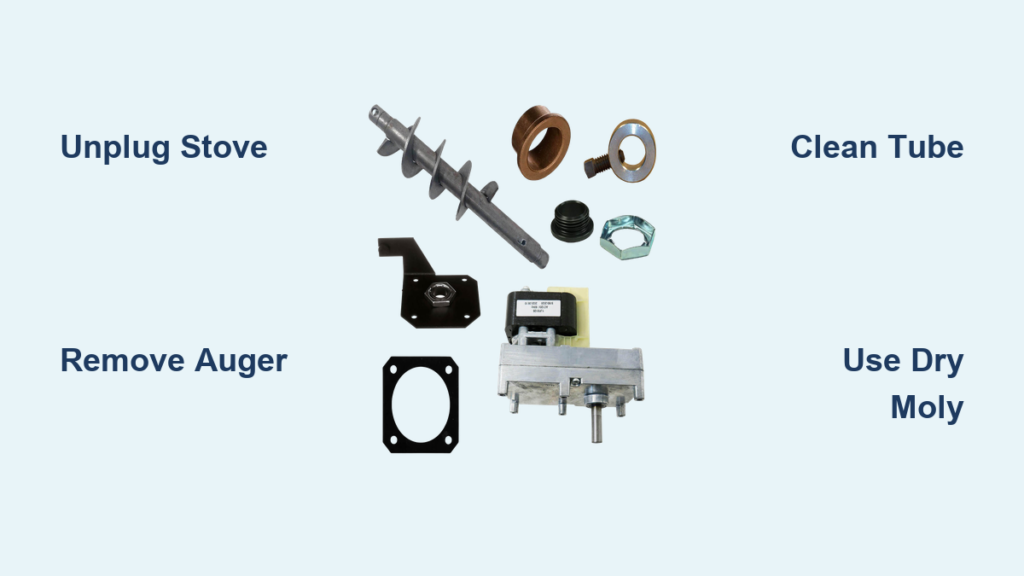
Your pellet stove suddenly sputters and dies mid-winter freeze. The flame gutters, temperatures plummet, and that familiar error code flashes—classic signs of a jammed auger. When your pellet stove auger clogs, fuel stops flowing to the burn pot, leaving you in the cold within minutes. This critical component transports pellets from the hopper to the fire, and moisture-degraded fuel or excessive dust can turn it into a concrete-like blockage overnight. Knowing how to clean pellet stove auger issues is non-negotiable for reliable heat. In this guide, you’ll learn to diagnose blockages, execute safe cleaning procedures for stoves and grills, and implement foolproof prevention strategies—saving costly service calls and keeping your home warm.
Ignoring auger jams risks complete system failure. Degraded pellets mixed with humidity create a hardened sludge that strains motors and invites dangerous overheating. But don’t panic—90% of clogs yield to methodical cleaning. Whether you own a Harman stove or Traeger grill, this guide covers model-specific fixes, time-saving shortcuts, and critical safety steps. By the end, you’ll confidently tackle jams in under 30 minutes and establish a maintenance routine that prevents winter emergencies.
Why Your Pellet Stove Auger Stops Working (Signs to Watch For)
Don’t wait for total failure—spot these urgent warnings that your pellet stove auger needs cleaning. A weak, flickering flame or wild temperature swings (±50°F) signal inconsistent pellet feeding. If your stove fails ignition repeatedly or dies minutes after lighting, compacted fines are likely choking the fuel path. Listen closely for grinding, clicking, or a strained motor hum—these sounds mean the auger is fighting a blockage. Digital models flash error codes like “FEED” or “AUG” when flow stops. Worst case? Complete shutdown where the auger won’t rotate even when manually tested. For pellet grills, erratic smoke output or failed startup often traces back to the same auger jam.
How to Confirm It’s an Auger Jam (Not Motor Failure)
Unplug your appliance and let it cool completely. Locate the auger motor coupling (usually near the hopper base). Wear gloves and attempt to rotate the shaft by hand. If it won’t budge, you have a physical blockage. If it turns freely but won’t run when powered, suspect motor or wiring issues—check for tripped breakers first. Never force rotation; you risk snapping shear pins. Pro tip: Shine a flashlight into the hopper while manually turning the shaft. Visible pellets jammed against the auger flighting confirm the culprit.
Critical Safety Steps Before Cleaning Your Pellet Stove Auger
Skipping prep risks electrical shock or component damage. Unplug the stove immediately—never rely on “off” settings. For pellet stoves, wait 2+ hours until the burn pot and auger tube are cool to the touch (over 140°F risks burns). Pellet grill owners: disconnect propane tanks too. Gather these essentials:
- Safety Gear: Safety glasses (flying ash is inevitable), N95 dust mask, heat-resistant gloves
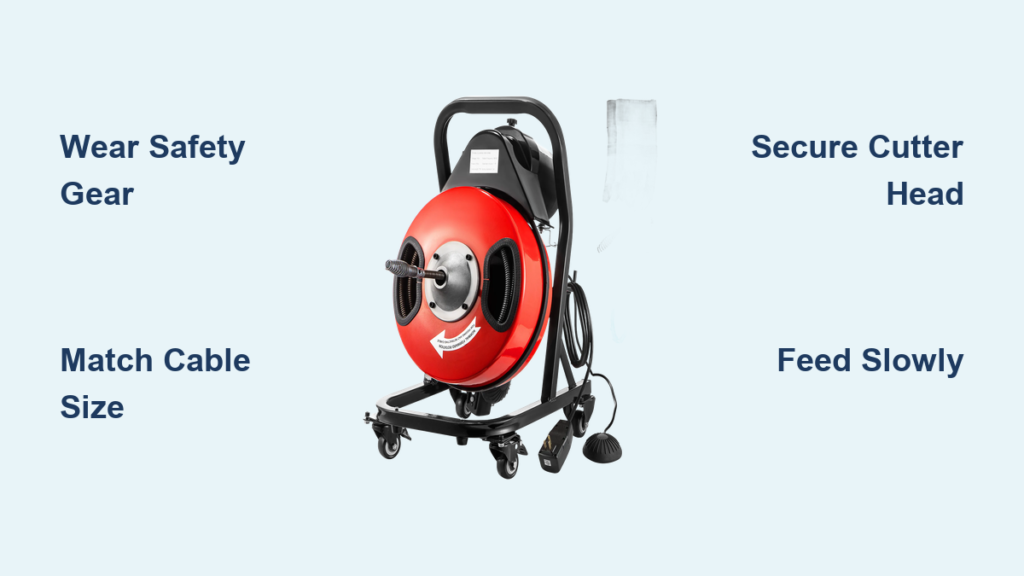
- Cleaning Tools: Shop vacuum with crevice/hose attachments, 24″ flexible auger brush (or 12-gauge shotgun rod), stiff wire brush
- Repair Essentials: Phillips screwdrivers, needle-nose pliers, dry molybdenum lubricant spray
Critical mistake to avoid: Never use oil or grease inside the auger tube. Petroleum-based lubricants attract dust and create flammable residues that worsen jams. Stick to dry moly spray only.
Step 1: Clear Minor Clogs Without Disassembly (5-Minute Fix)
Most early-stage jams yield to this non-invasive method. Start here before disassembling anything:
- Empty the hopper completely—remove all pellets to prevent new blockages during cleaning.
- Vacuum the hopper interior thoroughly using a crevice tool. Focus on corners where fines accumulate.
- Locate the auger intake chute (where pellets enter the tube). Insert your vacuum nozzle here for 30 seconds.
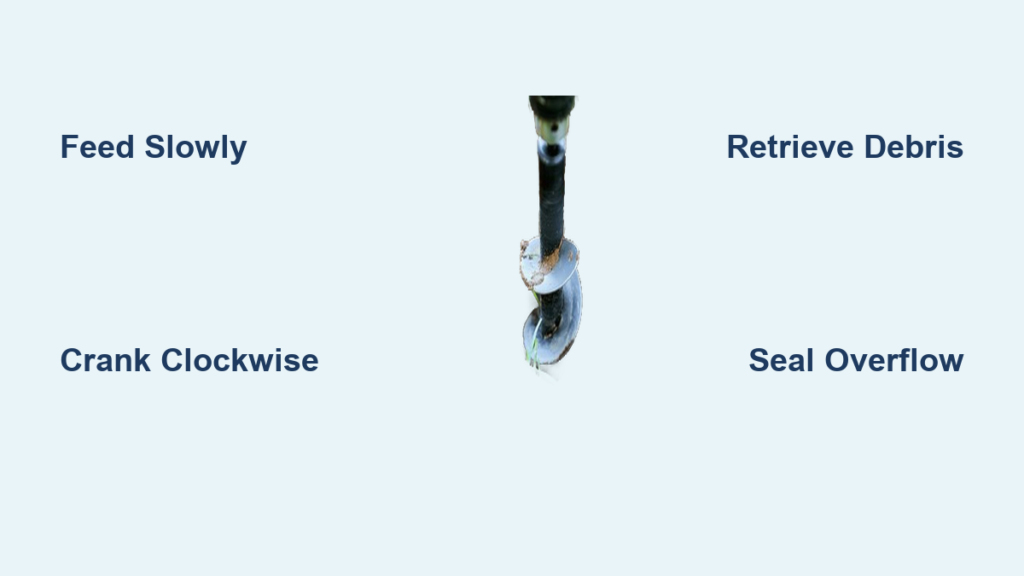
- Feed the flexible brush into the chute while vacuuming. Gently rotate it clockwise to dislodge compacted material—never force it.
- Check for clearance: Manually rotate the auger shaft. If it moves smoothly, test-run the stove.
Success indicator: Vacuum retrieves visible sawdust or small pellet fragments. If resistance remains, proceed to deep cleaning. This method works for 60% of jams caused by loose dust buildup.
Step 2: Deep Cleaning Your Pellet Stove Auger (Full Removal Guide)
For hardened clogs or routine maintenance, auger removal is essential. Allow 20-30 minutes:
Accessing and Removing the Auger Shaft
- Pellet stoves: Remove the rear clean-out panel (usually 2-4 screws). On Harman models, unbolt the motor mounting plate first.
- Pellet grills: Remove cooking grates, heat shield, and fire pot to access the auger tube exit.
- Disconnect motor wiring: Take a photo of connections before detaching wires. Label if colors aren’t distinct.
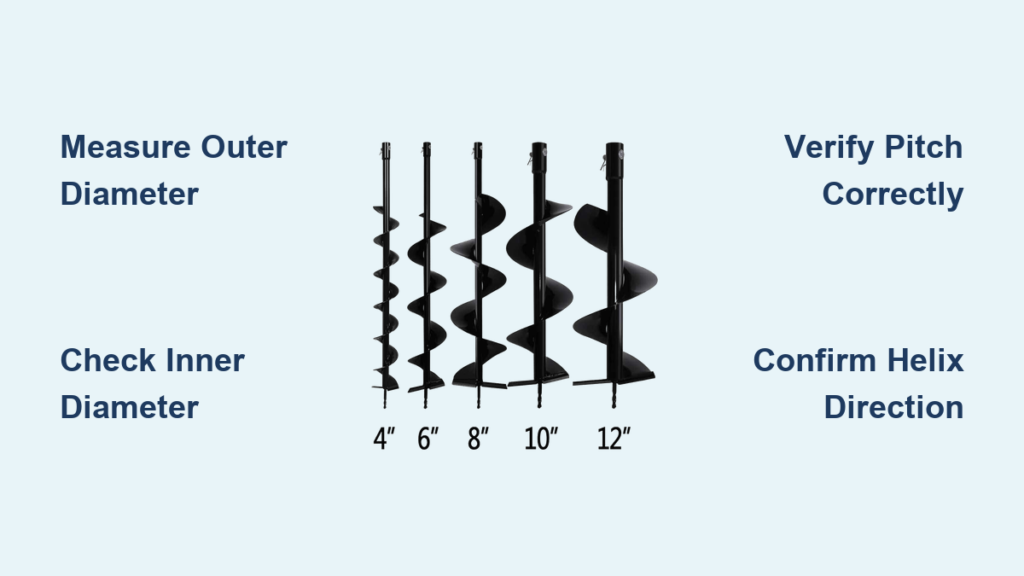
- Free the auger: Remove the shear pin or set screw at the motor coupling. Note the auger’s orientation—many have flat sides for alignment. Gently pull the auger straight out; forcing causes bends. Some Harman stoves require clockwise rotation to unthread.
Clearing the Tube and Cleaning Components
- Vacuum the tube aggressively from both ends. For stubborn clogs, insert the flexible brush and rotate clockwise while vacuuming.
- Scrub the auger flighting with a wire brush until all residue is gone. A drill-mounted wire wheel speeds this up.
- Inspect for damage: Check for worn flighting edges or bent shafts. Replace if compromised.
- Reassembly tip: Apply dry molybdenum spray sparingly to the auger before reinserting. Reconnect wiring per your photo. Test rotation manually before powering on.
Warning: Never use drill bits to clear tubes unless absolutely necessary—they can scratch metal and create future snag points. Reserve this for concrete-like jams after other methods fail.
Harman Pellet Stove Auger Cleaning: Model-Specific Steps
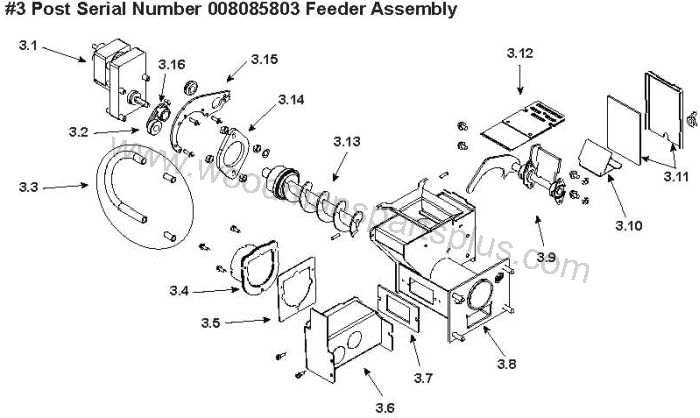
Harman’s direct-drive systems require precise handling. After removing the rear panel:
- Unbolt the motor mounting plate (typically two 10mm nuts).
- Slide the entire auger assembly backward—it’s secured in a keyed slot.
- Pull the auger straight out; no rotation is needed. Harman augers lack reverse threading.
- Clean the tube with a shop vac followed by a flexible brush. Their narrow tubes trap fines easily.
- Reinstall with moly spray: Apply lubricant to the auger’s entire length before reinsertion. Misalignment causes immediate jams.
Pro tip: Harman owners report fewer jams when applying dry moly after every deep clean—it reduces friction by 40% according to user surveys.
Traeger Auger Cleaning: Grill-Specific Fixes

Traeger clogs often occur where the auger meets the fire pot. Critical differences:
- Access requires fire pot removal: Unbolt the heat baffle and fire pot assembly first.
- Clear the feed chute: Vacuum ash buildup where the tube exits into the fire pot—this is the #1 failure point.
- Check for pellet spillage: Traeger hoppers often leak fines into the motor housing. Clean this compartment thoroughly.
- Reassembly caution: Ensure the auger’s flat side aligns with the motor coupler. Misalignment strips couplers.
Time-saver: Run the auger for 10 seconds without ignition after reassembly to verify smooth pellet flow before lighting.
Emergency Fix: Clearing a Severe Auger Jam Without Removal
For immovable blockages when disassembly isn’t possible:
- Insert a 24″ flexible masonry drill bit into the auger tube from the hopper end.
- Set drill to LOWEST speed—high RPMs can damage tubes.
- Gently advance the bit while rotating, pausing to vacuum debris.
- Stop immediately if resistance increases. Forcing causes dents.
This is high-risk: Only attempt if you hear pellets grinding when the motor runs. Success rate is under 30%, and damage risks are high. If unsuccessful, proceed with full auger removal.
Prevent Future Pellet Stove Auger Jams: 4 Maintenance Must-Dos
Avoid emergency cleanings with these proven strategies:
- Use premium pellets: Low-fines pellets (under 1% dust content) reduce jams by 70%. Store in sealed 5-gallon buckets—never leave pellets in hoppers over humid seasons.
- Vacuum weekly: During active use, clear hopper dust every 3-4 burns. Spend 2 minutes vacuuming the intake chute.
- Seasonal deep clean: Remove the auger after every 1-2 tons of pellets. Inspect for wear and apply dry molybdenum.
- Control moisture: Cover pellet grills tightly; ensure stove hopper lids seal perfectly. In humid climates, add silica gel packs to pellet storage.
Critical mistake: Ignoring motor sounds. A humming but non-rotating auger means immediate cleaning—delaying causes motor burnout ($150+ repairs).
Final Note: Cleaning your pellet stove auger is a 30-minute task that prevents costly breakdowns and keeps your home warm through winter. By acting at the first sign of feeding issues—erratic flames, ignition failures, or unusual noises—you’ll avoid 95% of emergency scenarios. Remember: weekly vacuuming, premium pellet storage, and dry moly lubrication form your defense against jams. For persistent issues after cleaning, check motor wiring or consult your manual for model-specific diagnostics. Stay proactive, and your pellet stove will deliver reliable heat for years.