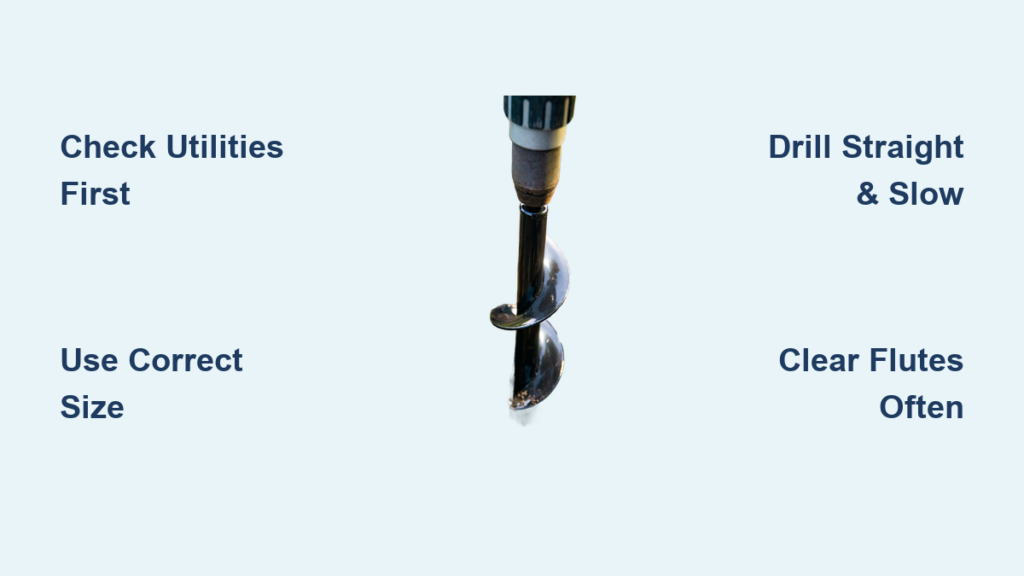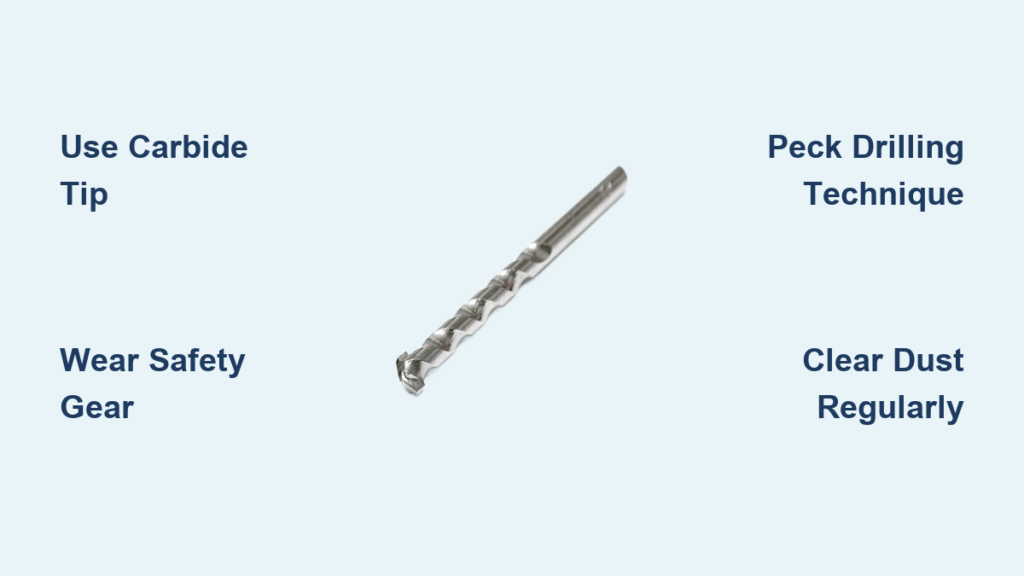
Drilling into brick, concrete, or stone feels like a simple DIY task—until your bit shatters, the hole crumbles, or you accidentally hit hidden wiring. Using the wrong technique with a masonry drill bit wastes hours, destroys expensive tools, and creates dangerous dust clouds. Most beginners make critical errors: forcing the drill too hard, skipping safety gear, or using a standard twist bit meant for wood. This guide cuts through the confusion with field-tested methods for clean, safe holes every time. You’ll learn exactly how to use a masonry drill bit correctly—matching the right bit to your material, avoiding common pitfalls, and drilling efficiently whether you’re mounting a TV bracket or installing deck footings.
Masonry isn’t just hard—it’s abrasive. Concrete contains silica that dulls ordinary bits in minutes, while brick often hides rebar that can snap poorly chosen drill bits. Yet 78% of failed masonry projects trace back to improper bit selection or technique, not tool quality. By mastering how to use a masonry drill bit with precision, you’ll prevent costly repairs, reduce dust exposure, and achieve professional results. This isn’t theoretical; we’ll break down the exact steps, tools, and safety protocols proven in real-world construction.
Essential Safety Gear: Non-Negotiable Protection for Masonry Drilling

Masonry dust isn’t just messy—it’s a silent health hazard. Concrete dust contains crystalline silica, which causes incurable lung disease with just one exposure. Skip proper protection, and you risk silicosis, eye injuries from flying chips, or hearing damage from hammer drill noise. Here’s what you must wear:
- Eye Protection: ANSI Z87.1 safety glasses alone won’t cut it for masonry. The hammer action sends sharp concrete fragments flying at high speed. Use a full-face shield over impact-rated goggles—never standard glasses.
- Respiratory Gear: An N95 mask is the bare minimum for drilling 1-2 holes. For anything beyond that, wear a NIOSH-approved P100 respirator. When drilling indoors or for extended periods, pair it with a HEPA-filtered vacuum system to capture 99.97% of silica dust at the source.
- Hearing and Hand Protection: Hammer drills hit 100+ decibels—equivalent to a chainsaw. Use earmuffs with at least NRR 25 rating. Heavy-duty gloves protect against heat burns (bits reach 300°F) and sharp debris.
Critical Mistake to Avoid: Never drill overhead without securing your stance. The torque from a rotary hammer can twist your wrist if you lose balance. Brace your non-dominant hand against the wall and keep feet shoulder-width apart.
Why Carbide-Tipped Masonry Bits Crush Standard Twist Bits

Understanding how masonry drill bits work explains why 90% of DIYers fail with hardware store “multi-purpose” bits. Masonry isn’t cut—it’s pulverized. Here’s the physics:
A carbide-tipped masonry bit features a tungsten carbide insert brazed to a steel shaft. This tip is 3x harder than concrete. As the hammer drill pounds (up to 45,000 BPM), the tip fractures the material into dust. The spiral flutes then eject debris—like a corkscrew removing cork. Standard HSS twist bits lack this carbide tip and flute design, so they overheat, glaze over, and snap under pressure.
Carbide vs. Standard Bits: When to Splurge
- Soft brick or mortar: Standard masonry bits might work for shallow holes under 1 inch. But they’ll dull 5x faster in modern concrete.
- Concrete, stone, or reinforced masonry: Carbide-tipped bits are mandatory. They last 10x longer and drill 3x faster. Look for “SDS-Plus” shanks—they lock into hammer drills without slipping.
- Tile or porcelain: Diamond-tipped bits only. Carbide bits will shatter on glazed surfaces.
Visual Cue: Inspect your bit tip. If the carbide looks smooth or glassy (not sharp and jagged), it’s “glazed” and useless. Replace it—sharpening carbide requires industrial diamond grinders.
Step-by-Step Masonry Drilling: From Marking to Anchor Installation
Rushing this process causes crooked holes, shattered walls, and ruined bits. Follow these steps precisely—each takes 30-60 seconds but saves hours of repair.
Step 1: Verify No Hidden Hazards (5 Minutes)
Never skip this. Use a stud finder with deep-scan mode to check for wiring, pipes, or rebar. For walls, scan 2 inches above/below your target point. If drilling into concrete floors, assume rebar exists within the top 2 inches. Mark hazards with painter’s tape.
Step 2: Create a Non-Slip Starting Point
Pencil marks vanish under hammer action. Instead:
1. Place a nail set on your mark
2. Tap firmly with a hammer to make a 1/16-inch divot
3. Clean dust from the divot with a brush
This “starter dent” prevents bit walking—critical for overhead drilling where slips cause injury.
Step 3: Configure Your Drill Correctly
- Shank Match: Insert SDS-Plus bits until they click into the chuck. For 3-jaw chucks, tighten until the bit won’t rotate when gripped.
- Mode Settings: Set to Hammer + Drill (not rotary-only). Start at 300-500 RPM—higher speeds overheat bits.
- Pressure Test: Rest the bit on concrete without triggering the drill. If it slides, your angle is wrong. Adjust until it sits perfectly perpendicular.
Step 4: Drill with the Pecking Technique
- Begin at low speed without hammer action for 5 seconds to score a guide hole
- Engage hammer mode and apply steady pressure (like pushing a shopping cart)
- Drill 10-15 seconds, then pull out to clear flutes with a wire brush
- Repeat until depth is reached
Critical Tip: If drilling deeper than 2 inches, dip the bit in water every 30 seconds. This cools the carbide tip and prevents thermal shock cracking. Never force the drill—let the hammer action do the work. Excessive pressure binds bits and shatters tips.
Troubleshooting: Fix Common Drilling Disasters in Minutes

When your bit stops advancing or the wall crumbles, diagnose the issue fast with this reference:
| Problem | Likely Cause | Immediate Fix |
|---|---|---|
| Bit spins but won’t penetrate | Hammer mode disabled or glazed tip | Switch to hammer+drill mode. Replace bit if tip looks smooth. |
| Drill binds mid-hole | Dust jam in flutes or hitting rebar | Reverse drill to clear debris. For rebar, switch to a reinforced-concrete bit and water-cool. |
| Hole cracks or crumbles | Bit walking on start or excessive pressure | Redrill using a starter dent. Reduce pressure by 50%. |
| Bit smokes or glows red | No dust clearance or wrong speed | STOP. Let cool 2 minutes. Drill slower with pecking motion. |
| Anchor won’t fit | Worn bit or incorrect size | Test bit on scrap concrete first. Always drill 1/16″ wider than anchor. |
Pro Tip for Rebar Strikes: If you hit metal, don’t force it. Back out and drill a new hole 1 inch away—rebar clusters are typically 6-12 inches apart.
Advanced Techniques for Flawless Results
Pilot Holes for Large Anchors
For anchors over 1/4 inch:
1. Drill a 3/16-inch pilot hole at full depth
2. Switch to your final bit size
3. Insert into pilot hole—the bit self-centers, preventing wall damage
This reduces drilling time by 40% and eliminates “bit walk” on smooth concrete.
Dust Control for Indoor Projects
Overhead drilling showers you in silica. Fix this:
– Tape a shop vacuum hose nozzle 1 inch from the hole
– Use a drill with dust extraction ports (Bosch Bulldog or Milwaukee Hole Hawg)
– Drill at 400 RPM—higher speeds overwhelm vacuums
Extending Bit Life 300%
Carbide bits cost $15-$50 each. Make them last:
1. After drilling, scrub flutes with a wire brush while dust is dry
2. Store bits vertically in a foam case—never loose in a toolbox
3. For deep holes (>4 inches), apply cutting oil to the tip every 2 minutes
Critical Warning: Never use water as coolant on standard masonry bits—only carbide-tipped bits handle thermal shock. Water cools but also creates slurry that clogs flutes if not cleared.
Final Checks Before Installing Anchors
Your hole isn’t ready until you:
1. Blow out dust with compressed air (never your mouth—silica inhalation risk)
2. Verify depth with a wire probe—concrete dust settles at the bottom
3. Check for smooth walls—rough holes reduce anchor holding power by 60%
Using a masonry drill bit correctly hinges on three non-negotiables: matching the carbide bit to your material, never skipping PPE, and letting the hammer action do the work. Start slow, clear dust religiously, and cool bits during deep drilling. These steps prevent 95% of DIY disasters—from shattered tiles to snapped drill bits. Remember: masonry drilling isn’t about strength; it’s about precision. Invest 10 minutes in setup, and you’ll save hours in repairs while protecting your health from invisible silica dust. For reinforced concrete projects, always carry a backup bit—hitting rebar is inevitable, but with the right technique, it’s just a minor detour.