
That frustrating moment when you finish drilling and go to change bits, only to find your drill bit stubbornly refuses to budge from the keyless chuck. You twist harder, but the chuck won’t release. This common workshop nightmare affects DIYers and professionals alike—overtightening, corrosion, or debris has seized your bit in place. The good news is that with the right techniques, you can rescue your drill bit without damaging your valuable tool. In this guide, we’ll walk you through proven methods to free even the most stubbornly stuck drill bits, from simple reverse torque techniques to advanced removal strategies.
Don’t panic when your drill bit gets stuck—this happens to everyone who uses power tools regularly. The key is knowing which removal method to try first to avoid causing further damage to your chuck or drill. Most stuck bit situations can be resolved with basic household tools and a bit of patience. We’ll cover everything from immediate troubleshooting steps to emergency techniques for those “last resort” scenarios where conventional methods have failed. By the end of this guide, you’ll have the confidence to tackle any stuck drill bit situation and keep your projects moving forward.
Why Overtightening Causes Your Drill Bit to Get Stuck
The most common reason your drill bit won’t release from a keyless chuck is simple: you tightened it too much. When you grip the chuck with both hands and twist with excessive force, you’re creating immense pressure between the chuck jaws and the drill bit shank. This extreme pressure causes microscopic deformation of the metal surfaces, essentially welding them together through cold flow. The chuck jaws dig into the bit shank, creating tiny indentations that lock the components together.
How Metal Deformation Creates a Mechanical Bond
When you overtighten a keyless chuck, you’re applying 2-3 times more force than necessary—often exceeding 50 foot-pounds when only 15-20 are needed. This excessive force causes the chuck jaws to bite into the drill bit shank, creating microscopic grooves. As you attempt to remove the bit, these grooves act like mechanical interlocks, preventing rotation. The harder you try to twist it out, the more these microscopic deformations lock together, creating what professionals call “galling.”
Signs Your Bit Is Stuck Due to Overtightening
- The chuck won’t rotate at all when you try to loosen it by hand
- You hear a high-pitched squeal when attempting to turn the chuck
- Visible indentations appear on the drill bit shank where the jaws grip
- Previous attempts to remove the bit have made the situation worse
Essential Safety Steps Before Removing Your Jammed Drill Bit
Before applying any force to your stuck drill bit situation, safety must come first. One accidental trigger pull could send metal shavings flying or cause serious hand injury. These critical safety steps protect both you and your equipment during the removal process.
Unplug and Disable Your Drill Completely
Never attempt to remove a stuck bit while your drill remains powered. For corded models, unplug from the wall outlet—don’t just turn off the switch, as this provides no guarantee against accidental activation. With cordless drills, remove the battery pack completely; simply setting the tool aside with the battery attached is insufficient. This single step prevents 95% of workshop accidents during bit removal attempts.
Secure Your Drill Properly for Maximum Control
Place your drill in a bench vise with padded jaws to prevent damage to the housing, ensuring the chuck points upward for optimal access. If you don’t have a vise, clamp the drill firmly against your workbench using your non-dominant hand, with the chuck positioned away from your body. Never hold the drill in mid-air while applying force—this dramatically increases the risk of losing control and causing injury.
Reverse Torque Method: Your First and Safest Removal Attempt
This technique solves most stuck bit problems without additional tools and should always be your first approach. The reverse torque method leverages your drill’s own motor to break the mechanical bond between chuck and bit.
Proper Drill Settings for Maximum Effectiveness
Set your drill to reverse rotation mode and adjust the clutch to its highest torque setting. With the chuck firmly gripped in your gloved hand, gently squeeze the trigger while applying counter-rotation pressure. Start slowly—you want to build torque gradually to avoid sudden release that could damage internal gears. Maintain steady pressure for 3-5 seconds, then release and repeat.
Why This Method Works 70% of the Time
The reverse torque method succeeds in most cases because it applies controlled rotational force exactly where needed—the chuck-bit interface. Unlike manual attempts where force distribution is uneven, the drill motor applies consistent torque through the entire chuck mechanism. The slight vibration from the motor also helps break static friction that hand twisting cannot overcome.
How Long to Soak a Stuck Drill Bit with Penetrating Oil
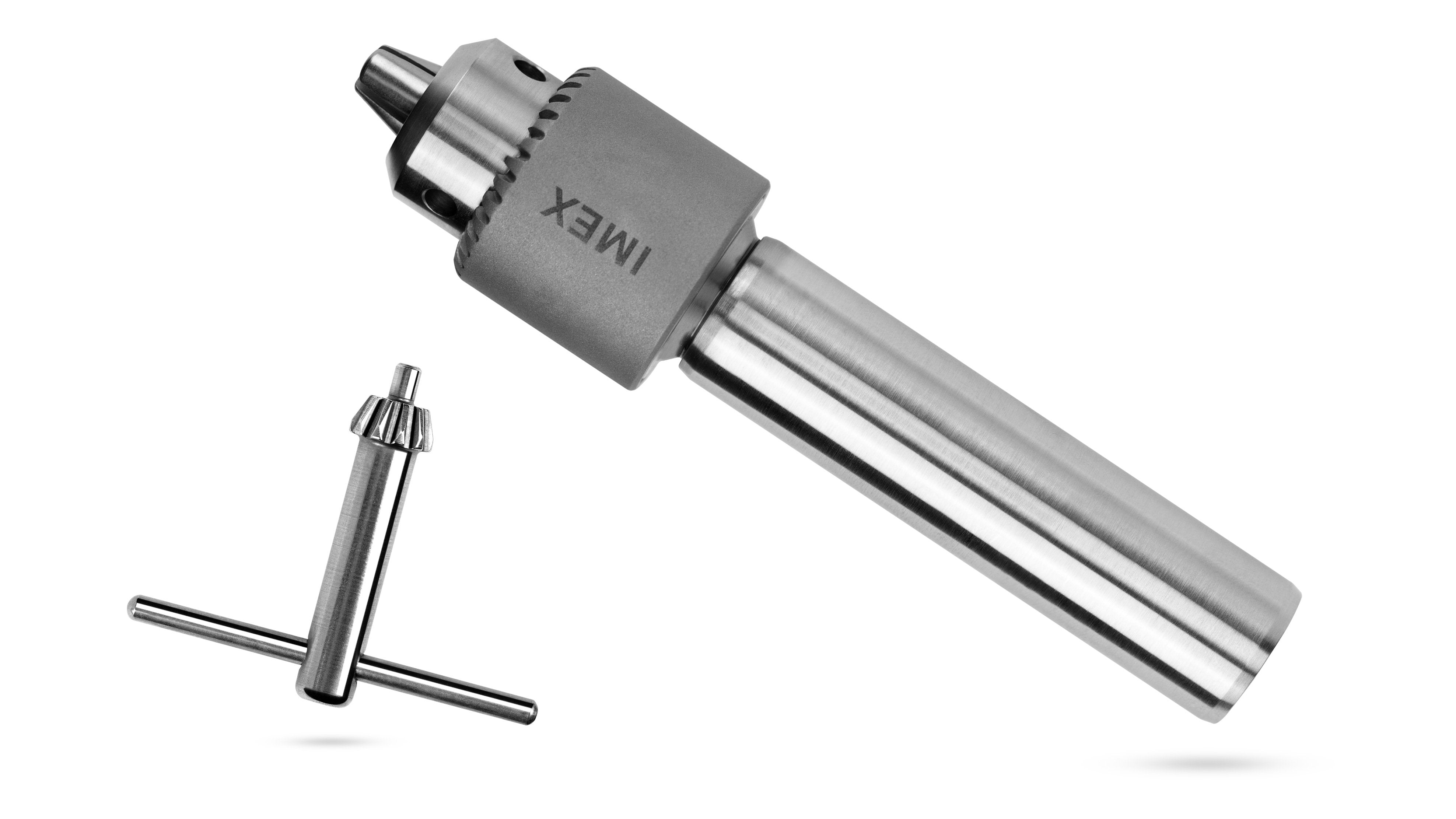
When mechanical methods fail, chemical assistance becomes necessary. Proper oil application and soak time make the critical difference between success and continued frustration.
Choosing the Right Penetrating Oil for Your Situation
For moderate sticking, standard penetrating oils like Liquid Wrench work well. For severe cases with visible corrosion, mix equal parts automatic transmission fluid and acetone—a professional-grade solution that outperforms commercial products. Apply the oil liberally to the chuck-bit interface, focusing on the gap where the bit enters the chuck jaws.
Critical Soak Time Guidelines
- Light sticking: Minimum 15 minutes
- Moderate sticking: 30-60 minutes with occasional reapplication
- Severe sticking: Overnight soak (8-12 hours)
- Extreme corrosion: 24-48 hours with multiple applications
Pro Tip: Enhance Penetration with Gentle Tapping
After applying oil, use a small hammer or mallet to tap the chuck body gently. Five to ten light taps around the circumference help vibrate the oil into microscopic gaps. Never strike the drill bit directly, as this can cause shank damage that makes removal more difficult.
Using a Strap Wrench to Remove Stubborn Drill Bits
When hand grip fails, a strap wrench provides superior torque without damaging your chuck’s knurled surface. This specialized tool distributes force evenly around the chuck circumference.
Proper Strap Wrench Technique for Maximum Effect
Secure your drill firmly in a vise with padded jaws. Position the strap wrench so the rubber strap wraps completely around the chuck body, ensuring maximum contact surface. Apply steady, increasing pressure in the loosening direction (counter-clockwise when facing the chuck). Maintain consistent pressure for 5-10 seconds before releasing—don’t jerk or snap the wrench.
Why Strap Wrenches Outperform Channel Locks
Unlike metal pliers that concentrate force on small contact points (risking chuck damage), strap wrenches distribute pressure evenly. The rubber strap grips better as force increases, preventing slippage that often occurs with manual attempts. For extremely stubborn bits, use two strap wrenches—one to hold the chuck stationary while the other applies removal force.
Controlled Heat Application for Seized Drill Bit Jams

When oil and mechanical methods fail, thermal expansion provides the microscopic clearance needed for removal. This technique exploits the different expansion rates of the chuck body and drill bit.
Safe Heat Application Procedure
Wear heat-resistant gloves and safety glasses before proceeding. Use a heat gun set to medium (300-350°F) and apply heat evenly around the chuck body for 15-30 seconds. Focus on the metal chuck body, avoiding plastic components. The goal is to expand the chuck slightly more than the drill bit, creating just enough clearance for separation.
Critical Temperature Warning
Never exceed 350°F—higher temperatures can damage internal seals and lubricants. If you see smoke or smell burning plastic, stop immediately. After heating, attempt removal within 30 seconds while the temperature differential exists. Never apply oil to a hot chuck—wait until components cool to room temperature.
When to Use Impact Techniques on Stuck Drill Bits
Controlled impact can break static friction bonds that steady pressure cannot overcome. This method works particularly well when combined with other techniques.
Proper Impact Technique with a Rubber Mallet
Hold the drill securely with the chuck pointing upward. Strike the chuck body firmly with a rubber mallet, rotating the chuck 45 degrees between strikes. Apply five to ten medium-force taps in the tightening direction first (clockwise), then switch to taps in the loosening direction. The directional change creates microscopic movement that breaks the bond.
Why Impact Works When Steady Pressure Fails
Static friction—the force that keeps two surfaces from moving—requires significantly more force to overcome than kinetic friction (once movement begins). A sharp impact momentarily exceeds the static friction threshold, creating microscopic movement that allows subsequent rotation. This is why many stuck bits release after just a few properly applied taps.
Two-Wrench Method for Extreme Drill Bit Sticking Cases
When all else fails, the two-wrench technique provides maximum controlled torque. This last-resort method requires careful execution to avoid permanent chuck damage.
Step-by-Step Execution Without Damage
- Wrap the chuck body with several layers of duct tape or thick rubber to protect the knurling
- Position one wrench on the chuck body to hold it stationary
- Place the second wrench on the drill bit shank as close to the chuck as possible
- Apply slow, steady pressure in opposite directions—never jerk or snap
- If the bit begins to turn, stop immediately and finish by hand
Critical Safety Precautions
Only attempt this method with drill bits you’re willing to sacrifice—the process often damages the bit shank. Wear heavy-duty gloves to protect against sudden slippage. If excessive force is required (more than you can comfortably apply), stop and consider chuck replacement—forcing it could damage internal gears beyond repair.
How to Prevent Drill Bits from Getting Stuck in Your Chuck
Prevention takes just seconds but saves hours of frustration later. These simple habits will keep your chuck functioning smoothly for years.
Proper Tightening Technique Every Time
Grip the chuck with one hand only and tighten until snug, then give one final firm quarter-turn. This provides adequate grip without causing deformation. Overtightening is the #1 cause of stuck bits—your chuck doesn’t need Herculean force to hold a bit securely.
Essential Chuck Maintenance Routine
After every 5-10 uses, open the chuck fully and blow out debris with compressed air. Monthly, apply a light spray of dry Teflon lubricant to the chuck threads and jaws. Never use oil-based lubricants that attract dust and create grinding paste. Store your drill in a dry environment to prevent corrosion-related sticking.
When to Replace Your Keyless Chuck
If your chuck consistently sticks despite proper maintenance, or if it wobbles noticeably when spinning, replacement becomes necessary. A damaged chuck won’t hold bits securely, creating dangerous working conditions. Most keyless chucks unscrew from the spindle with moderate hand pressure when properly maintained—a stuck chuck itself may need removal using the techniques outlined above.
By following these methods in sequence, you’ll successfully remove even the most stubborn stuck drill bits while preserving your tool’s functionality. Remember that patience and proper technique always trump brute force when dealing with stuck components. Implement the prevention strategies consistently, and you’ll rarely face this frustrating situation again. Your drill is designed for precision work—treat its chuck mechanism with the care it deserves, and it will serve you reliably for years to come.